
11 Amazing Penguin Facts for Kids [UPDATED Facts]
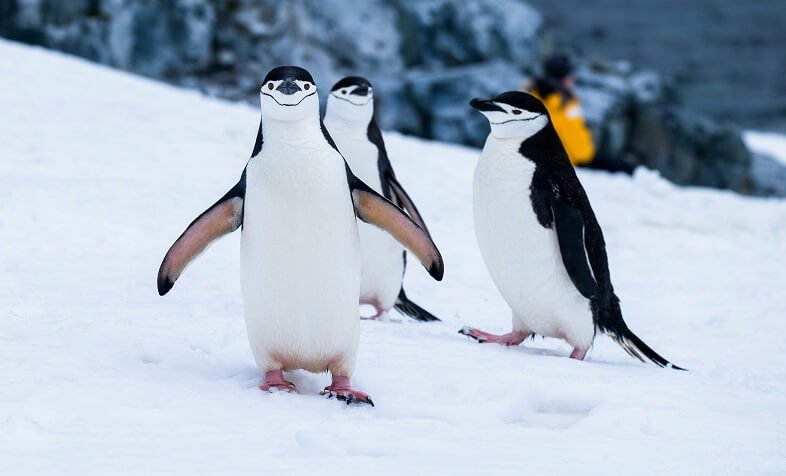 Hugging a soft stuffed penguin at bedtime or watching them tap dance in cartoons usually leads to a million curious questions from your child. With their silly side-to-side waddle and neat black-and-white feathers, these birds always look like they are dressed up for a fancy party.
They might not be able to fly up in the clouds, but they actually have some of the coolest ocean superpowers in the animal kingdom. Sharing these true stories will make your next trip to the zoo or evening storytime even more fun.
11 Interesting & Fun Penguin Facts for Kids They Will Love to Know about
When you were a kid, you probably wondered why a bird has wings if it cannot fly up into the clouds. It turns out that penguins traded sky flying for underwater swimming, and they can do things in the ocean that almost no other bird can match.
If you and your child enjoy reading animal facts together, you are going to love seeing how these tough little seabirds eat, sleep, and raise their babies.
Now let us take a look at those fun penguin facts!
1. Emperor Penguins Can Dive 1,774 Feet Deep and Hold Their Breath for 20 Minutes
Unlike a peregrine falcon that zooms high through the sky, penguins cannot fly in the air at all. Instead, they use their stiff, flat flippers to “fly” deep underwater where their favorite ocean food hides.
Because they hunt far beneath the waves, penguins are built to hold their breath much longer than land birds. The big emperor penguin is the ultimate deep diver of the group, plunging as deep as 1,774 feet underwater to catch a meal.
On a single deep dive into the dark ocean, an emperor penguin can hold its breath for 20 minutes before swimming back up to the surface for fresh air.
2. The Biggest Penguin Is as Tall as a Kindergartner, While the Smallest Is Only One Foot Tall
When you picture a penguin, you might think they are all the same size. Across the 18 to 19 different types of penguins alive today, however, some are as tall as your kid and others are small enough to fit inside a backpack.
The biggest living penguin is the emperor penguin, which stands about 45 inches (115 centimeters) tall and weighs between 55 and 90 pounds (25 to 40 kilograms). That makes it almost 4 feet tall, or right about the same height and weight as a 5 year old kindergartner!
At the other end of the family is the tiny little blue penguin, also called the fairy penguin. It grows only 1 foot tall (10 to 12 inches) and weighs around 2 to 2.6 pounds (1.2 kilograms), which is lighter than a small house cat.
3. They Have a Special Filter Above Their Eyes That Lets Them Sneeze Out Ocean Salt
Every single meal a penguin eats comes straight from the sea, including small fish like sardines and anchovies, squid, and tiny shrimplike bugs called krill. Whenever penguins gulp down slippery food underwater, they also swallow a lot of salty seawater along with it.
Drinking salty ocean water makes humans sick, and a penguin’s stomach cannot handle all that extra salt on its own either. To solve this problem, penguins have a special gland right above their eyes that works like a built in water filter.
As blood flows past that gland, it pulls the extra salt out of the penguin’s body and turns it into salty liquid drops. Those salty drops then drip out of their beak or get sneezed right out of their nose!
4. Emperor Penguin Dads Balance Their Egg on Top of Their Warm Feet for 2.5 Months
Most birds build a cozy nest out of twigs, grass, or stones to keep their eggs safe and warm. Giant emperor penguins, however, raise their babies on solid sea ice in the middle of the freezing winter, where there are zero sticks or rocks to build a nest.
If a penguin egg touches that freezing ice for even a minute, the baby inside will freeze. So right after the mom lays one single egg and heads back to the ocean to hunt for food, the dad carefully scoops the egg onto the top of his warm feet.
He tucks the egg under a warm fold of feathery belly skin and stands in the freezing wind for over two months (around 65 days of egg incubation, while fasting for nearly four months straight!) without eating a single bite of food until the fluffy chick finally hatches.
5. Chinstrap Penguin Parents Take More Than 10,000 Four Second Power Naps Every Day
Once a baby penguin hatches, one parent must stay at the nest day and night to guard the chick while the other parent swims away to catch fish. Because hungry seabirds and noisy neighbors are always nearby, a guarding parent cannot close its eyes for a long bedtime sleep.
To get rest without leaving their babies unsafe, chinstrap penguin moms and dads sleep in thousands of tiny bursts called microsleeps. They nod off more than 10,000 times a day, and each tiny nap lasts only 4 seconds!
Four seconds is shorter than the time it takes you to tie one shoe. Even so, all those tiny four second naps add up to more than 11 hours of sleep every single day, keeping the parents rested while watching their chicks.
6. Their Tightly Packed Feathers Lock Together Like a Warm, Waterproof Dry Suit
Jumping into icy ocean water without a heavy coat would make you shiver right away. Because penguins spend hours swimming in cold water to hunt for fish, they need a way to block the freezing sea from touching their skin.
To stay dry, a penguin’s body is covered in short, tightly packed feathers that overlap like shingles on a house roof. These stiff outer feathers lock together like a waterproof dry suit so cold ocean water cannot soak through.
Underneath that waterproof shell, soft down feathers trap a cozy blanket of warm air right against their skin. Combined with a thick layer of fat underneath, that trapped air keeps the penguin warm even in icy water.
7. African Penguins Make a Loud Donkey Call to Find Their Family in Giant Crowds
Imagine trying to find your mom or dad on a crowded beach where thousands of birds are wearing the exact same black and white tuxedo. Because penguins look so much alike, they cannot rely on their eyes alone to spot their family in a crowd.
Instead, penguins find their partner and their chick by shouting out loud, special voice calls that their family recognizes right away. Four types of penguins, including the African penguin, have a loud call that sounds just like a braying donkey saying “hee haw”.
Because of that loud donkey sound, people gave the African penguin the funny nickname jackass penguin. Even in a noisy crowd of thousands of birds, a baby penguin can hear its parents’ special call and run right to them.
8. Little Blue Penguins Dig Underground Burrows to Stay Cool in the Sun and Safe at Night
When you think of where a penguin lives, you probably picture birds standing out in the open on a sheet of ice. Many penguins, however, live on sandy or rocky beaches where hot sunshine and hungry predators make open ground dangerous for babies.
To keep their families safe, species like the little blue penguin use their strong webbed feet and claws to dig deep underground burrows in the dirt or hide inside dark rocky caves near the water.
Those underground tunnels work just like a natural house. They keep the penguins and their chicks cool during hot sunny days, warm on chilly nights, and safely hidden from predators flying overhead.
9. Penguins Flop Onto Their Tummies and Slide Like a Sled to Travel Faster on Snow
A penguin’s legs are set far back on its body to help it steer underwater like a boat rudder. Because its legs are so short and set so far back, walking on land makes a penguin rock side to side in a slow waddle.
When penguins have to travel miles across snow and ice to reach the ocean, waddling on tiny legs takes a lot of time and energy. So whenever the snow is slick, penguins flop right onto their stomachs and slide on their bellies like a sled, a super cool technique scientists call tobogganing!
While gliding across the snow on their smooth feathers, they kick with their strong feet and push with their flippers like oars. Sliding on their bellies lets them zip across the ice much faster while saving their energy for swimming.
10. Zero Wild Penguins Live at the North Pole, and Many Live on Warm, Sunny Beaches
Many holiday cartoons and children’s books show penguins playing in the snow with polar bears and Santa Claus at the North Pole. Because of those pictures, you might think that all penguins live in freezing Arctic snow.
In real life, zero wild penguins live at the North Pole, which means wild penguins and polar bears never meet. Wild penguins live almost entirely in the Southern Hemisphere, which is the bottom half of the Earth below the Equator.
Even more surprising, less than half of all penguin species live on the freezing ice of Antarctica. Many penguins live on warm, sunny coasts in South Africa, Australia, New Zealand, and South America, and the Galápagos penguin even lives right at the warm Equator!
11. Ancient Penguins Used to Fly in the Sky Before Their Wings Turned Into Flippers
Have you ever wondered why penguins have wings and feathers like other birds if they cannot fly up into the clouds? Millions of years ago, ancient penguin ancestors actually could fly through the air just like seagulls and other seabirds.
Those early birds lived on southern coasts where there were almost no land enemies to fly away from, and all of their food was swimming in the ocean. Over millions of years, diving into the sea became much more helpful than flying in the sky.
Slowly, their light flying bones grew heavier and more solid so they could sink underwater easily instead of floating like a cork. At the same time, their wings grew short, flat, and stiff, turning into the powerful swimming flippers penguins use today.
Frequently Asked Questions (FAQs)
What do penguins like to eat?
Penguins get all of their food from the ocean and love eating small fish like sardines and anchovies, squid, and tiny shrimplike animals called krill.
What is a baby penguin called?
A baby penguin is called a chick or a nestling.
Do penguins live at the North Pole?
No, wild penguins live almost entirely in the Southern Hemisphere (with only the Galápagos penguin reaching right at and slightly north of the Equator), so zero wild penguins live at the North Pole.
What is the biggest and smallest penguin in the world?
The biggest living penguin is the emperor penguin at about 45 inches tall and 55 to 90 pounds, while the smallest is the little blue penguin at about 1 foot tall and 2 to 2.6 pounds.
How fast can a penguin swim underwater?
While most penguins cruise underwater between 4 and 7 miles per hour (6 to 11 km/h), Gentoo penguins can reach explosive sprint bursts of up to 22 miles per hour (36 kilometers per hour) when chasing prey!
How long do penguins live?
Most penguins live about 15 to 20 years in the wild (though small blue penguins average 6 to 7 years in the wild), and penguins living in zoos can live for more than 30 years.
For a long time, you might have thought all penguins lived on giant icebergs at the freezing North Pole. Learning how they really dive deep underwater, sneeze out ocean salt, and take four second power naps makes sharing these stories with your kid a lot more fun.
That was it, folks! You have reached the end of the article. Hope you and your little one enjoyed these amazing facts about Penguins.


