
11 Amazing Jellyfish Facts for Kids [UPDATED]
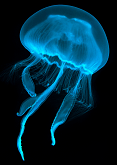 Pressing your nose against the glass at the aquarium, you will probably hear your kid ask how a floating, see-through blob can be a real animal. It opens and closes like a squishy umbrella, drifting through the water without any fins or flippers.
Even though they look like simple bowls of wiggly gelatin, these ocean drifters have been swimming around for more than 500 million years, long before dinosaurs walked on land.
11 Interesting & Fun Jellyfish Facts for Kids They Will Love to Know about
Most animals need a brain to think, a heart to pump blood, and strong bones to hold their bodies up. Jellyfish skip all of those parts and still manage to hunt, glow in the dark, and travel across every ocean on Earth.
Some are smaller than a fingernail, while others trail tentacles longer than three school buses parked in a row.
Now let us take a look at those fun jellyfish facts!
1. Jellyfish Are Actually Not Fish at All
When you hear the name jellyfish, it sounds like they belong in the same family as goldfish, sharks, or tuna. However, that name is actually a giant trick!
True fish have backbones and fins, while jellyfish are invertebrates, which means they have zero bones inside their soft bodies. Instead of being related to fish, they belong to a group of stinging ocean animals that includes corals and sea anemones.
Because their name is so confusing, many public aquariums call them sea jellies instead.
2. They Survive Without a Brain, a Heart, or Any Bones
Every time you run, play, or eat a snack, your brain tells your body what to do while your heart pumps blood. A jellyfish can swim and catch dinner without having a brain, a heart, blood, or a single bone.
To pull this off, their squishy bodies are made of 95 to 99 percent water. Instead of a brain, they have a special web of nerves called a nerve net inside their skin that feels when food or danger touches them.
Because they are mostly water, a jellyfish that washes up on a sunny beach will quickly dry out and disappear.
3. The Largest Jellyfish Has Tentacles Longer Than Three School Buses
Some sea jellies are tiny enough to hide on your fingertip, while others grow into ocean giants. The biggest of them all is the lion’s mane jellyfish, which swims in cold northern seas.
Its round, umbrella-shaped top can grow up to 8 feet (2.4 meters) across, which is wider than a grown-up’s bed. Hanging underneath that bell are up to 1,200 tentacles that can stretch 120 feet (37 meters) long.
That makes its tentacles longer than three yellow school buses parked bumper to bumper!
4. They Catch Dinner Using Tiny Poison Harpoons
Without sharp teeth or claws, catching fast little fish in the open ocean sounds almost impossible. Jellyfish solve this problem by turning their long tentacles into sticky traps.
Each tentacle is packed with thousands of tiny stinging cells called nematocysts. When a small shrimp, crab, or tiny floating animal called plankton brushes against a tentacle, coiled little threads pop out and zap the prey with venom.
Once the meal is stunned, the jellyfish uses its tentacles to pull the food straight up into the mouth in the middle of its body.
5. Baby Jellyfish Start Life Stuck to the Ocean Floor
You might expect a baby jellyfish to hatch from an egg and immediately float away like a tiny umbrella. Instead, young jellyfish go through two completely different body shapes as they grow up.
Early in life, a young jellyfish settles onto a hard rock on the seafloor as a tiny stalk called a polyp, which cannot swim at all. When the time is right, that stalk buds off tiny free-swimming baby jellyfish called ephyrae (singular: ephyra).
Each tiny ephyra then swims away and grows into the big, umbrella-shaped adult called a medusa.
6. Box Jellyfish Have 24 Eyes to Spot Obstacles
Even though jellyfish do not have a brain, some of them can actually see where they are going. The box jellyfish, which has a cube-shaped body like a little square box, has the wildest vision of all.
Every adult box jellyfish has 24 eyes arranged in four little clusters around the edges of its bell. Eight of those eyes even have lenses similar to human eyes, allowing the jellyfish to sense light and steer around underwater obstacles.
Having eyes pointed in every direction helps the box jellyfish swim fast and hunt food without bumping into coral or rocks.
7. Upside-Down Jellyfish Take Nighttime Naps
You might think an animal needs a brain and eyelids to fall asleep at bedtime. Scientists watching the upside-down jellyfish discovered that even brainless sea jellies need their rest.
During the daytime, an upside-down jellyfish rests on the seafloor and pulses its bell about once every second. When night falls, its body slows those pulses down by about 30 percent and enters a quiet sleep state.
Just like you feel groggy if you stay up too late, a sleepy jellyfish moves slower the next day if its nighttime nap gets interrupted.
8. Deep-Sea Jellyfish Can Glow in the Dark
Down in the deep ocean where robotic submarines explore, sunlight disappears and the water turns completely pitch black. To survive in the dark, many jellyfish make their own living light, a superpower called bioluminescence.
Inside their bodies, a special chemical reaction lights them up like underwater glow sticks. For example, the deep-sea helmet jellyfish flashes bright blue or blue-green light through the dark water.
Flashing a sudden glow in the dark startles hungry predators and gives the jellyfish time to drift away safely.
9. They Live in Every Ocean from Warm Beaches to Icy Seas
Many ocean animals can only survive in one type of water, like warm coral reefs or freezing polar seas. Jellyfish are much tougher and live in every single ocean on Earth.
You can spot them floating near sunny beaches, drifting in the deep sea, or swimming under icy Arctic water. A few tiny species, such as the freshwater jellyfish, even live in freshwater lakes and rivers instead of salty ocean water.
Because they do not build nests or homes, they simply ride the ocean currents wherever the water takes them.
10. A Giant Group of Jellyfish Is Called a Smack or a Bloom
Most of the time, a jellyfish drifts along quietly on its own. Every now and then, ocean winds and water currents push huge numbers of them into the exact same spot.
When thousands or even millions of jellyfish gather together in one area, scientists call the group a bloom, a fluther, or a smack. These giant gatherings also happen when sunny summer weather warms the water and plenty of food helps jellyfish hatch lots of babies at once.
A single bloom can pack so many jellies together that the ocean water looks like a giant bowl of floating soup!
11. They Are a Favorite Snack for Sea Turtles and Penguins
With all those stinging tentacles, it seems like nothing in the ocean would ever dare to bite a jellyfish. Surprisingly, many tough ocean animals love eating them for lunch.
Sea turtles, diving penguins, sunfish, and crabs gobble up jellyfish without being bothered by their stings. Even people in several countries across Asia prepare special safe species of jellyfish as a crunchy food delicacy.
By feeding hungry sea turtles and keeping tiny plankton numbers balanced, jellyfish help keep the whole ocean healthy.
Frequently Asked Questions (FAQs)
What do jellyfish eat?
Jellyfish are meat-eaters that eat tiny floating plankton, fish eggs, small shrimp, crabs, small fish, and even other jellyfish.
What is a baby jellyfish called?
A free-swimming baby jellyfish is called an ephyra, which buds off from a tiny stalk stage called a polyp before growing into an adult medusa.
How long do jellyfish live?
Most jellyfish live in the wild for a few weeks to several months, while some species such as the lion’s mane jellyfish live for about 1 year.
How do jellyfish move without fins?
Jellyfish swim by squeezing and relaxing their umbrella-shaped bodies to squirt water backward, which pushes them forward like a jet.
Do all jellyfish stings hurt humans?
All jellyfish have stinging cells on their tentacles, but most species only cause mild discomfort to people, while a few types like the Australian box jellyfish have dangerous venom.
What is a group of jellyfish called?
A group of jellyfish floating together is called a bloom, a smack, or a fluther.
Next time you and your child visit the aquarium or walk along the beach, see if you can watch how a sea jelly pulses its bell like a slow-motion umbrella. It is pretty wild to think that a squishy animal made mostly of water has been drifting through our oceans since long before the dinosaurs existed.
That was it, folks! Hope you and your little one enjoyed these amazing facts about jellyfish.


