11 Amazing Dinosaur Facts for Kids [UPDATED Facts]
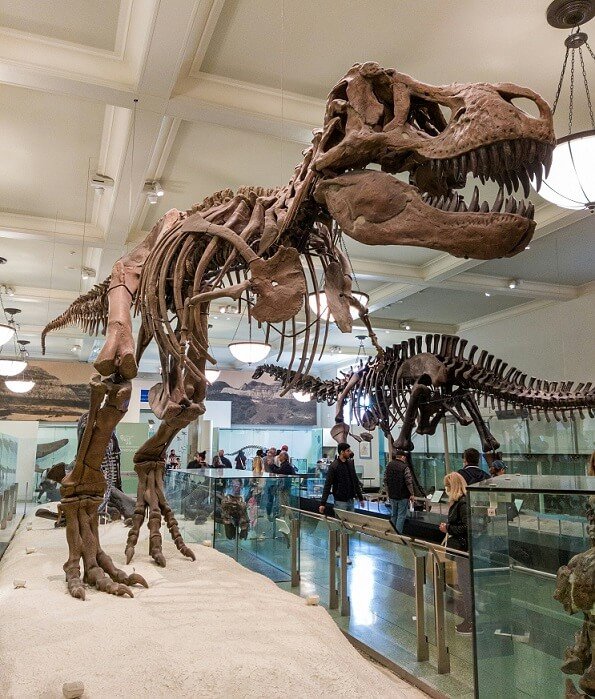 Toy bins overflowing with plastic T. rex figures usually mean your child has officially entered their dinosaur phase. Once they start roaring across the living room carpet, the big questions about how these prehistoric giants really lived are sure to follow.
You can easily turn those everyday playtime mysteries into fun learning moments at bedtime or around the dinner table. Sharing a few true stories about their favorite creatures will help your kid see those plastic toys in a whole new way.
11 Interesting & Fun Dinosaur Facts for Kids They Will Love to Know about
When you were a kid, you probably wondered how an animal could grow bigger than a house or what dinosaurs sounded like when they called to their friends. Scientists have dug up amazing clues in ancient rocks that answer those exact questions.
Some of the things they found might even surprise you, especially if you grew up thinking all dinosaurs were just big, scaly lizards.
Now let us take a look at those fun dinosaur facts!
1. Dinosaurs Walked the Land for Over 150 Million Years
When you look at dinosaur toys lined up on a shelf, it is easy to think dinosaurs only lived on Earth for a short time before they disappeared.
In real life, dinosaurs walked the land for more than 165 million years, stretching from around 235 million to 66 million years ago during the Mesozoic Era. Over that huge stretch of time, so many kinds of dinosaurs lived that scientists have already found and named about 1,000 dinosaur species.
Because they were around for so long, older kinds of dinosaurs slowly died out while brand-new kinds took their place long before the final dinosaurs vanished.
2. The Heaviest Dinosaurs Weighed More Than 10 Elephants
If you have ever seen an elephant at the zoo, you know how giant and heavy it looks standing in front of you.
The biggest four-legged, plant-eating dinosaurs, called sauropods, were the largest land animals ever and weighed up to 100 tons, which is more than 10 times as much as the largest elephants. One giant sauropod named Argentinosaurus stretched about 115 feet (35 meters) from nose to tail.
That means one Argentinosaurus was longer than three yellow school buses parked in a line, all supported by four thick legs built like elephant legs.
3. Some Plant-Eating Dinosaurs Swallowed Rocks to Grind Their Food
When you eat crunchy carrots or apples, you use your flat back teeth to chew every bite into tiny, soft pieces before you swallow.
Some giant plant-eating dinosaurs had small heads and teeth that could not chew tough tree leaves well enough inside their mouths, so they swallowed smooth stones called gastroliths.
Those stomach stones sat right inside the dinosaur’s belly and tumbled around like a rock mixer to mash tough plants into soft food.
4. Baby Dinosaurs Hatched from Eggs and Grew Up Super Fast
You might wonder how an animal as heavy as a building started out as a tiny newborn baby.
Dinosaurs laid eggs just like birds do today, and some caring dinosaur mothers like the duck-billed Maiasaura built large nests to keep their babies safe together while they grew. Even a huge 7.7-ton dinosaur named Ampelosaurus hatched from an egg that weighed only about 9 pounds, or about as heavy as a bowling ball.
Once baby dinosaurs broke out of their shells, they grew super fast. Medium dinosaurs like duck-billed plant eaters reached full adult size in just 7 or 8 years, while colossal sauropods grew rapidly for 20 to 30 years until they reached their full gigantic bulk!
5. Some Small Dinosaurs Slept Curled Up Just Like Birds
Figuring out how an animal slept millions of years ago sounds hard because old bones usually get scattered flat in the dirt.
Scientists in China found an amazing fossil of a small feathered dinosaur named Mei long that was buried in volcanic ash while taking a nap about 130 million years ago.
This little dinosaur was less than 2 feet long, about the size of a house cat, and it was found curled up in a sleeping position just like a backyard bird tucking in to stay warm.
6. Many Dinosaurs Were Covered in Soft Feathers Instead of Scales
Many older children’s books and movies show every single dinosaur with bumpy green or gray lizard skin from head to toe.
Real fossils show that many kinds of dinosaurs actually had feathers growing on their bodies. Even though modern birds like the peregrine falcon came from feathered dinosaurs, having feathers did not mean those land dinosaurs could fly.
Instead, their feathers worked like a warm winter blanket to trap body heat, help them blend into the bushes, or show off bright colors to other dinosaurs.
7. Some Dinosaurs Used Head Crests Like Giant Horns to Make Sounds
Without a voice like yours, dinosaurs needed a loud way to call out to their family across big forests and open plains.
Duck-billed dinosaurs like Corythosaurus had a tall bony crest on top of their heads with hollow air tubes that connected down to their lungs.
When the dinosaur pushed air through that bony crest, it made a deep, loud honking sound that echoed like a big ship’s foghorn.
8. Dinosaurs Lived on Every Single Continent on Earth
When you look at freezing, icy places on a globe today, it is hard to picture dinosaurs walking around there. While today Antarctica is the chilly home of penguins, during the age of dinosaurs the entire planet was warmer, and scientists have dug up dinosaur fossils on every continent on Earth, including icy Antarctica!
Different kinds of dinosaurs made their homes in all sorts of places, from warm, wet tropical forests to dry, sandy deserts where ancient cousins of today’s tortoises walked alongside them.
9. Many Dinosaurs Traveled Together in Herds for Safety
Walking alone through a forest full of hungry meat eaters was risky for smaller plant-eating dinosaurs.
To protect themselves, fast-running plant eaters called hypsilophodonts lived and moved together in herds. Most grown-up dinosaurs in these herds measured about 5 to 7.5 feet (1.5 to 2.3 meters) long, which is about as long as a tall adult lying down.
Living in a group gave them more eyes to watch for danger, while some meat-eating theropods also teamed up in groups when hunting bigger dinosaurs.
10. Not All Dinosaurs Lived at the Same Time
You might think from cartoons and movies that Tyrannosaurus rex and Stegosaurus lived in the same jungle and battled each other every day.
That is actually a huge myth because not all types of dinosaurs lived at the same time. Stegosaurus lived during the Jurassic Period (between 201 million and 145 million years ago), while Tyrannosaurus rex lived much later at the end of the Cretaceous Period (down to 66 million years ago).
That means Stegosaurus bones were already ancient fossils in the ground millions of years before the first Tyrannosaurus rex ever hatched. In fact, T. rex lived closer in time to humans today than it did to Stegosaurus!
11. The Word Dinosaur Means Terrible Lizard
Have you ever wondered who came up with the word dinosaur after people started finding giant bones in the early 1800s?
In 1842, a British scientist named Richard Owen saw that these big bones were different from modern reptiles and named the group Dinosauria. He put together two Greek words, deinos and sauros, which mean “terrible lizard” or “fearfully great lizard”.
Even though the name says lizard, dinosaurs were not ordinary lizards at all. Unlike modern reptiles like Komodo dragons that crawl with legs sticking out sideways, dinosaurs stood straight up on upright legs tucked directly beneath their bodies, much like modern birds.
Frequently Asked Questions (FAQs)
What was the biggest dinosaur of all time?
Giant four-legged plant eaters called sauropods were the biggest dinosaurs ever, weighing up to 100 tons and stretching up to 115 feet (35 meters) long like Argentinosaurus.
How long were Tyrannosaurus rex teeth?
A Tyrannosaurus rex had a huge head and powerful jaws filled with sharp, serrated teeth. While about 6 inches (15 centimeters) showed above the gums, each tooth was up to 12 inches (30 centimeters) long from tip to root, roughly the size of a giant banana!
How small was the smallest dinosaur?
Some of the tiniest dinosaurs, like Microraptor, were smaller than a chicken, while small runners like Compsognathus were only about 3 feet (0.9 meter) long.
How long could large dinosaurs live?
While medium dinosaurs grew to adult size in 7 or 8 years, the biggest sauropods grew steadily for 20 to 30 years and could live for almost 100 years.
Are birds really related to dinosaurs?
Yes, scientists know that modern birds came directly from feathered dinosaurs that lived millions of years ago.
When did the last land dinosaurs die out?
The last land dinosaurs died out about 66 million years ago at the end of the Cretaceous Period.
For a long time, you might have pictured all dinosaurs as giant, scaly monsters roaring in the same prehistoric swamp. Learning how they actually wore warm feathers, swallowed tummy stones, and cared for their nests makes sharing their story with your kid so much more fun.
That was it, folks! Hope you and your little one enjoyed these amazing facts about dinosaurs.