
11 Amazing Lion Facts for Kids [UPDATED Facts]
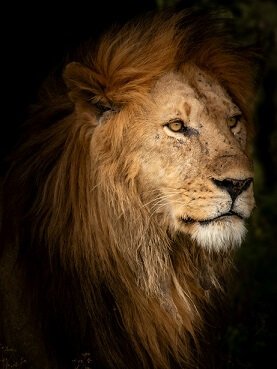 Roaring across the living room with a favorite stuffed animal is a classic way for kids to play pretend. Thanks to movies like The Lion King, those big golden cats have been a bedtime favorite in almost every home.
But when your child suddenly asks why male lions have that fluffy hair around their necks or who actually catches dinner for the family, you want simple, real answers. Sharing a few true stories from the savanna is a great way to feed their wild curiosity.
11 Interesting & Fun Lion Facts for Kids They Will Love to Know about
When you were a kid, you probably heard people call the lion the king of the jungle and pictured a big cat living under rainy jungle trees. As it turns out, real wild lions live in very different places and have some cool habits that will surprise both you and your child.
Every single detail below is explained in plain, everyday words so you can read it right out loud together.
Now let us take a look at those fun lion facts!
1. Lions Can Run Up to 50 Miles Per Hour in Short Sprints
Catching dinner on wide, open grassy plains is tough work because zebras and antelopes can run away very fast. While a lion cannot dive through the sky like a peregrine falcon, its muscular legs are built for quick bursts of speed on the ground.
When a lion charges after its meal, it can reach a top sprint speed of up to 50 miles per hour (80 kilometers per hour).
That is as fast as a car driving down a busy highway! But here is the catch: lions have surprisingly small hearts compared to their big, muscular bodies, so they run out of breath quickly and can only keep up that incredible sprint for about 100 yards (90 meters) before needing to stop and rest.
2. A Grown Male Lion Weighs Up to 550 Pounds and Stands Almost as Tall as a Fridge
If you have a house cat at home, you know how easy it is to scoop up in your arms. In the entire wild cat family, only the mighty tiger is bigger and heavier than the lion.
A full-grown male lion weighs between 330 and 550 pounds (150 to 250 kilograms) and stretches up to 10 feet (3 meters) long including his tail. Female lions are a bit smaller, growing up to 9 feet (2.7 meters) long and weighing 265 to 395 pounds.
Standing on all four paws, a lion reaches 3.5 to 4 feet (1 to 1.2 meters) tall at the shoulder, which is more than two-thirds as tall as a standard 5.8-foot kitchen refrigerator.
3. Female Lions Do Most of the Hunting by Working Together as a Team
Big animals like zebras and wildebeests are strong and watchful, so catching one out in the open grass is hard for one cat to do alone.
In a lion pride, the female lionesses do about 85% of the open-plain hunting by teaming up like a well-coached sports team! Several lionesses spread out into assigned positions to quietly circle their prey, creeping silently until they are within 100 feet (30 meters) before launching a synchronized ambush.
By working together, the lionesses can take down large animals weighing 100 to 1,000 pounds (45 to 453 kilograms) to feed the whole family. But don’t let anyone tell you male lions are lazy: while females hunt open plains in teams, big male lions use dense bushes to ambush giant prey like massive Cape buffalo all by themselves!
4. Baby Lions Are Called Cubs and Are Born with Hidden Spots
Adult lions have smooth golden-yellow coats, so you might expect their babies to look the exact same way. When baby lions, called cubs, are first born, they weigh only about 3 pounds (1.4 kilograms) and are completely blind for their first week of life!
To help keep them safe while mom is away hunting, cubs are born with camouflage spots and rosettes all over their coats, helping them blend invisibly into dappled grass shadows.
As the cubs grow bigger and start joining hunts around 11 months old, their coats turn golden yellow, though many adult lions keep faint, secret spots on their bellies and inner legs for their entire lives!
5. Lions Sleep for Up to 20 Hours Every Day to Save Energy
The daytime sun gets very hot on the African plains, and chasing fast animals takes a huge amount of strength.
To stay cool and save their energy, adult lions snooze and rest for up to 20 hours a day. Sometimes they climb up into shady tree branches to catch a breeze, or flop onto their backs with their paws up in the air just like a sleepy house cat.
Resting through the hot afternoon leaves lions fresh and energized to hunt at night. Lions have a special mirror-like layer in their eyes that amplifies moonlight, allowing them to see up to eight times better in the dark than human eyes!
6. Every Lion Has a Unique Pattern of Whisker Dots Like Your Fingerprint
Since adult lions all have golden fur and no stripes, telling two lions apart from far away can be tricky.
If you look closely at a lion’s face, every single whisker grows out of a tiny black dot on its muzzle. The pattern of those black whisker spots is completely one of a kind on each lion, just like the fingerprints on your fingers.
Because no two lions ever share the exact same spot pattern, wildlife biologists photograph these whisker spot maps to identify and track individual lions for years without ever needing to touch them.
7. A Lion’s Booming Roar Can Be Heard Up to 5 Miles Away
Lion families spread out across wide areas of land, so they cannot always see each other through tall grass and bushes.
To talk across big distances, both male and female lions let out a deep, booming roar that can reach 114 decibels and carry up to 5 miles away! While house cats can only purr, lions have special flexible cartilage bones in their throats that vibrate like giant speakers to create those thunderous low notes.
That giant voice does two important jobs at once: it helps scattered family members find each other and warns strange lions to stay off their home land.
8. Despite Their Royal Nickname, Lions Do Not Actually Live in Wet Jungles
You have probably heard people call the lion the king of the jungle in cartoons and bedtime stories. That famous nickname makes a lot of people think lions live deep inside rainy tropical jungles.
The nickname ‘King of the Jungle’ actually comes from an ancient word for dry, open wilderness, not a wet rainforest! In real life, wild lions stay away from thick tropical rainforests completely. Instead, they live on open grassy savannas across Africa, sharing the plains with lively neighbors like meerkats and watchful baboons, with one protected group of Asiatic lions living in the dry thorn forests of the Gir Forest in India.
Open grasslands make the perfect home for lions because the wide plains feed big herds of zebras and antelopes, while rocky outcrops and scrub bushes give mothers a safe place to hide their dens.
9. Lions Are the Only Cats That Live in Big Family Groups Called Prides
While solitary wild cats live and hunt alone, unlike pack-hunting canines such as gray wolves, lions are the only truly social cats on Earth!
They live in close family groups called prides, typically made up of around 15 lions (and sometimes up to 40 in lush areas). A lion pride is an amazing sisterhood: all the lionesses are related mothers, daughters, and sisters who stay together for life, sharing nursing duties and protecting each other’s cubs as one big family.
10. Not Every Grown Male Lion Grows a Big Shaggy Mane
You might think every adult male lion wears a huge, fluffy ring of hair around his head like a furry crown. Most male lions do grow a thick mane that acts as a shield during territorial fights. The darker and fuller a male’s mane grows, the stronger and healthier he is, which helps impress the lionesses!
Surprisingly, some adult male lions living in very hot, dry places have no mane at all. Wildlife researchers see these maneless male lions most often in Tsavo, Kenya, in East Africa.
Going without a heavy blanket of fur around the neck helps those male lions stay cooler in the desert heat and walk through dry thorn bushes without getting tangled.
11. The Word “Simba” Really Means “Lion” and “King” in Swahili
If your kid loves flipping through animal books or watching animated movies, they already know the name Simba by heart.
That famous name was not just made up for a cartoon cub. In the Swahili language spoken in East Africa, the word simba is the real-life word for lion! While the movie crowned Simba as king, the actual Swahili word for king is mfalme.
Even in English, calling a person “lionhearted” means they are very brave and courageous, showing how much people around the world admire these big cats.
Frequently Asked Questions (FAQs)
1. What do lions eat in the wild?
Lions are meat-eaters that hunt large hoofed animals weighing 100 to 1,000 pounds, such as zebras, wildebeests, and antelopes. While an adult lion needs around 11 to 16 pounds of meat daily, they can gorge on up to 70 pounds (32 kilograms) in a single feeding!
2. What is a baby lion called?
A baby lion is called a cub. Newborn cubs weigh only about 3 pounds and are born completely blind for their first week. Their coats have camouflage spots that help them hide, with faint spots often staying on their bellies into adulthood.
3. Where do wild lions live?
Wild lions do not live in wet jungles; they live on open grassy plains, brush, and dry thorn forests in Africa, plus one small group in the Gir Forest of India.
4. How big and heavy is an adult lion?
Adult male lions grow up to 10 feet long with their tail and weigh 330 to 550 pounds, while females grow up to 9 feet long and weigh 265 to 395 pounds.
5. How fast can a lion run?
A lion can run at speeds of up to 50 miles per hour (80 kilometers per hour) in short bursts. Because of their small hearts, they can only keep up this top speed for about 100 yards before tiring.
6. How long do lions live in the wild and in zoos?
In the wild, female lions can live up to 16 years and males usually live 8 to 12 years, while lions cared for in zoos can live into their early 20s.
For a long time, you might have thought lions lived in rainy jungles or that every male lion had a big shaggy mane. Learning how lionesses team up to hunt and how scientists use whisker dots like fingerprints makes sharing these stories with your kid a lot more fun.
That was it, folks! Hope you and your little one enjoyed these amazing facts about lions.


