11 Amazing Human Brain Facts for Kids [UPDATED]
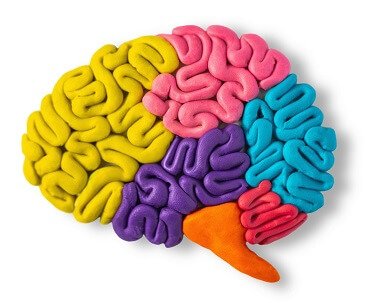 Touch the top of your head right now. Underneath that hard bone is a soft, wrinkly boss that tells your lungs to breathe, your heart to beat, and your legs to run across the playground.
Even when you are fast asleep in bed, that busy boss inside your head never takes a break. It keeps sorting your school memories, building your dreams, and making sure your body stays safe all night long.
11 Interesting & Fun Human Brain Facts for Kids They Will Love to Know about
Your brain is like the main computer for your whole body, except it is much faster and smarter than any tablet or video game console in your house. Every time you laugh at a joke, taste cold ice cream, or catch a ball, your brain is doing the work behind the scenes.
It sends tiny messages back and forth from your head to your toes in less than a blink of an eye. Now let us take a look at those fun human brain facts!
1. Your Brain Weighs Only About 3 Pounds
You might think the boss of your whole body needs to be giant and heavy to do so many jobs at once. After all, it has to remember every word you know and control every muscle you move.
In a grown-up, the human brain actually weighs only about 3 pounds (1.4 kilograms). A kid’s brain is almost the exact same size and weight by the time you turn six years old.
Holding a 3-pound weight feels about as heavy as carrying a small cantaloupe melon or a half-gallon jug of milk from the kitchen fridge. That small, light organ fits right inside your two cupped hands.
2. About 60 Percent of Your Dry Brain Is Made of Fat
When your parents tell you to eat healthy foods like fish, nuts, and avocados, there is a big reason why your head needs them. Your brain needs healthy fats to build strong walls around its tiny working cells and help messages zip through quickly.
If you took all the water out of a human brain, about 60 percent of its dry weight is pure fat. That makes the brain the fattiest organ in your entire body.
Because it is packed with both water and soft fat, a living human brain is not hard like a rock at all. Instead, it feels super soft and squishy, almost like a bowl of firm jelly or soft butter.
3. Your Brain Uses 20 Percent of Your Body’s Energy
Your brain takes up only about 2 percent of your total body weight, so it is a pretty small part of you. Even though it is small, it is the hungriest worker in your whole body.
Every single day, your brain uses about 20 percent of all the energy and oxygen inside your body. It needs that huge share of fuel just to keep your thoughts, senses, and heartbeat running smoothly.
That is why your tummy starts to rumble and your head feels tired after working on a tricky puzzle or reading a big chapter book. Thinking hard burns real energy, just like pedaling your bicycle up a hill.
4. It Generates Enough Electricity to Power a Small Light Bulb
All day and all night, tiny brain cells talk to each other by zapping tiny sparks of electricity back and forth. Every single thought, movement, and feeling you have comes from those tiny electrical signals.
When you are awake, all those millions of tiny sparks working together create between 12 and 25 watts of electricity. That is real electrical power happening right inside your head.
Twenty watts of electricity is enough power to turn on a small LED desk lamp or a dim refrigerator light bulb. Your head is literally bright with energy from morning until bedtime.
5. Your Brain Contains About 86 Billion Nerve Cells
To run your eyes, ears, hands, and memories at the same time, your brain needs a giant team of tiny helper cells. Scientists call these special messenger cells neurons.
An adult human brain holds about 86 billion neurons packed tightly together inside the skull. Each one of those tiny cells connects to thousands of neighbor cells to pass messages along like a giant game of telephone.
Eighty-six billion is such a huge number that if you tried to count one cell every second, it would take you more than 2,700 years to count them all. That huge team is how you can see a dog, hear it bark, and pet its fur all at the exact same moment.
6. Your Brain Cannot Feel Any Pain at All
When you bump your head on a table or get a brain freeze from gulping a cold slushie too fast, it feels like your brain hurts. That makes a lot of kids think the brain must be super sensitive to touch.
Here is the weird truth: the brain itself has zero pain receptors, which means it cannot feel pain at all. The hurt you feel during a headache actually comes from the skin, bones, muscles, and blood vessels wrapped around the outside of your brain.
Because the brain tissue feels no pain, brain doctors can sometimes do surgery on a person who is wide awake and talking. That helps doctors make sure the person’s speech and memory stay completely safe while they work.
7. You Use Almost Every Part of Your Brain, Not Just 10 Percent
You may have heard a famous rumor from movies or cartoons that people only use 10 percent of their brains. People used to say that if you unlocked the other 90 percent, you would get superpowers.
Brain doctors have busted this popular myth using special cameras that watch the brain work in real time. The truth is that you use virtually 100 percent of your brain over the course of a normal day.
Even when you are just sitting on the couch watching a cartoon or eating a snack, many different areas of your brain light up at once. One part watches the colors, another listens to the voices, and another keeps you balanced on the cushion.
8. Brain Signals Zoom Faster Than a Race Car
Touch your toe with your finger right now. Did you notice how you felt that tap right away without waiting even a single second?
That happens because messages travel along your nerves and into your brain at speeds of up to 268 miles per hour (431 kilometers per hour). Your brain cells wrap their long wires in a slippery coating that helps signals jump forward at high speed.
Moving at 268 miles per hour is faster than a Formula 1 race car zooming down a straight track. That super speed is how your hand knows to pull away from a hot stove before you even have time to think about it.
9. All Those Wrinkles Help Pack More Brain Into Your Head
If you look at a picture of a human brain, it looks bumpy and folded like a giant walnut shell. Many smaller animals, like mice and rabbits, have very smooth brains instead.
The bumpy outside layer of your brain is called the cerebral cortex, and it folds up so a giant sheet of brain tissue can fit inside your skull. Those deep folds give your brain way more room to hold extra thinking cells without making your head too heavy to carry.
If you could gently iron out all the wrinkles and folds of an adult brain’s outer layer, it would spread out to about 2.5 square feet (0.23 square meters). That is about as big as an unfolded sheet of newspaper or a large bath towel tucked neatly inside your head.
10. A Baby’s Brain Grows to 80 Percent of Adult Size by Age Two
When a newborn baby first comes home, they cannot walk, talk, or hold a spoon by themselves yet. Because they are still learning everything from scratch, their brain has to grow faster in the first two years than at any other time in life.
At birth, a baby’s brain is only about one-quarter the size of a grown-up’s brain, but it reaches about 80 percent of its adult size by age two. During those early months, millions of new connections form every single second as the baby looks, listens, and plays.
By the time a child blows out the candles on their sixth birthday cake, their brain is already about 90 percent of its full grown-up size. For the rest of childhood, the brain focuses on making its wiring faster and neater rather than getting much bigger.
11. Your Brain Cleans Itself While You Sleep
Have you ever noticed how cranky and forgetful you feel when you stay up way past your bedtime? Sleep is not just for resting your tired legs and arms.
When you fall into a deep sleep at night, a clear liquid called cerebrospinal fluid washes right through your brain tissue. This nightly wash flushes out leftover waste that builds up while you are awake and thinking all day.
Your sleeping brain also takes all the cool things you learned at school and stores them safely into long-term memory folders. Getting a full night of sleep is just like running the dishwasher so your brain is sparkling clean and ready for tomorrow.
Frequently Asked Questions (FAQs)
How much does a human brain weigh?
An adult human brain weighs about 3 pounds (1.4 kilograms), which is about as heavy as a small cantaloupe.
Do humans really only use 10 percent of their brains?
No, that is a myth, because brain scans show that humans use virtually 100 percent of their brains throughout the day.
Can your brain feel pain when you have a headache?
No, the brain tissue itself has zero pain receptors, so headache pain actually comes from the nerves, blood vessels, and muscles around your head.
How many neurons are in the human brain?
The average human brain contains about 86 billion nerve cells, called neurons, that send messages across your body.
Which side of the brain controls which side of the body?
Your brain works in a criss-cross pattern, meaning the left side of your brain controls the right side of your body, and the right side controls the left side.
Why does the human brain have so many wrinkles?
The wrinkles and folds allow a large surface area of thinking cells, about the size of an unfolded newspaper page, to fit neatly inside your skull.
Every time you learn a new word, ride your bike, or ask a curious question, your brain builds brand-new pathways that make you even smarter. Take good care of that squishy 3-pound boss by wearing your bike helmet, drinking plenty of water, and getting a great night of sleep!
That was it, folks! Hope you and your little one enjoyed these amazing facts about the human brain.