11 Surprising Dingo Facts for Kids [UPDATED]
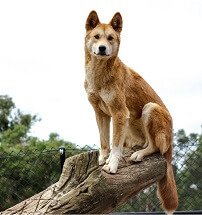
Spot a sandy-colored dog with pointy ears and white socks trotting across the Australian desert, and you might think a family pet just wandered out of a backyard. Wait for it to bark, though, and you will hear a wild wolf song instead!
That clever creature is the dingo, Australia’s famous wild dog. They look a lot like pet puppies from far away, but their daily lives in the wild are full of surprises.
11 Interesting & Fun Dingo Facts for Kids They Will Love to Know about
Most dogs love curling up on a cozy rug and waiting for a bowl of kibble. Dingoes live a very different life out in the wild woodlands, grasslands, and deserts of Australia.
From singing at night to helping protect small native animals, these wild canines have plenty of cool tricks up their furry sleeves.
Now let us take a look at those fun dingo facts!
1. They Are Australia’s Largest Meat-Eating Mammal
Australia has lots of famous plant-eating animals like kangaroos and koalas, unique creatures like the platypus, plus smaller meat-eaters that scurry through the bush. Out of all the land mammals on the continent, the dingo holds the top title as the largest meat-eating mammal native to Australia.
Sitting at the very top of the food chain is a big job called being an apex predator. Because dingoes are the biggest mammal hunters around, no other wild land mammals in Australia hunt them for food.
2. An Adult Dingo Is About as Tall as a Kid’s Bicycle Wheel
Looking at a dingo in a picture book can make it tough to tell just how big they really are. An adult male dingo stands about 20 to 24 inches (52 to 60 centimeters) tall at the shoulder and measures around 48 inches (120 centimeters) long from its nose to the tip of its bushy tail.
That shoulder height is right around the height of a standard kid’s bicycle wheel! Most dingoes have a lean body built for speed and weigh between 22 and 44 pounds (10 to 20 kilograms), which is about as heavy as a 3-year-old child.
3. They Hunt Alone for Small Food and Team Up for Big Meals
Catching dinner in the wild takes smart planning because some snacks are tiny and others are huge. When a dingo is looking for small meals like rabbits, rodents, lizards, or birds, it usually hunts all by itself.
Hunting bigger animals like kangaroos, wallabies, or wombats is too tough for one dog alone. For those giant meals, dingoes team up in family packs of 2 to 12 dingoes and work together to share the food.
4. Baby Dingoes Are Called Pups and Whole Families Help Raise Them
Just like pet dogs, a baby dingo is called a pup. Once a year, a mother dingo gives birth to a litter of 4 to 6 pups (and sometimes up to 10) inside a safe hiding spot like a cave, a hollow log, or an empty rabbit burrow.
Raising all those hungry babies takes a lot of teamwork. Both the mom and dad care for the little ones, and in a dingo pack, all the older brothers, sisters, and pack members pitch in to help feed and protect the pups until they grow up.
5. They Hunt in the Cool Dark and Walk Up to 25 Miles a Night
The Australian outback gets super hot under the bright summer sun. To beat the heat and sneak up on dinner, dingoes do most of their hunting at dawn, dusk, and during the night.
Their lean legs are built for long walks across big open spaces. A single dingo can trot 12 to 25 miles (20 to 40 kilometers) in a single night, which is like walking across 200 football fields before bedtime!
6. Their Coat Color Matches the Place Where They Live
When you think of a dingo, you probably picture a sandy-yellow dog with cute white paws and a white tail tip. While that golden-yellow or ginger coat is the most common, a dingo’s fur color actually matches the neighborhood where it lives.
Dingoes living in sandy deserts usually have golden-yellow fur so they blend right into the sand. Dingoes that live in shady forests often have darker tan or even jet-black fur, which helps them hide in the dark woods.
7. They Rarely Bark and Are Known as “Singing Dogs”
If a mail carrier walks past a house dog, you will almost always hear a loud bark. Dingoes look like house dogs, yet they rarely bark at all!
Instead of barking, dingoes talk using lots of different wolf-like howls, much like the gray wolf. Because they have so many musical howls to call their family members together or warn strangers to stay away at night, people often call them “singing dogs”.
8. They Can Live Almost Anywhere in Australia If There Is Water
Some wild animals can only survive in one kind of home, like a rainy jungle or a snowy mountain. Dingoes are super adaptable and make their homes in deserts, grasslands, woodlands, and forest edges across the Australian mainland.
The only thing that stops a dingo from moving into a new area is finding fresh drinking water. As long as there is a waterhole or river nearby, a dingo pack can set up a territory that covers 4 to 44 square miles (10 to 115 square kilometers).
9. Dingo Packs Mark Their Yard Boundaries Using Smells
People build wooden fences around their yards so neighbors know where one yard ends and the next begins. Dingoes are very protective of their family home territory and rarely leave it, so they need a way to mark their borders too.
Since dingoes cannot build fences, they use their noses and leave scent marks along the edges of their land. Dingoes do this by lifting their legs to urinate on prominent bushes and rocks, placing their scent right at nose height, and leaving droppings along border trails. This acts like a smelly “Keep Out” sign that tells other dingo packs to stay in their own yard!
10. Myth Buster: Dingoes Are Not Just Runaway Farm Dogs
Because dingoes look so much like pet dogs, many people assume they are just lost farm dogs or modern pets that ran away into the bush. That is actually a big myth!
Ancient sea travelers brought the ancestors of dingoes to Australia by boat at least 3,500 to 4,000 years ago, long before modern breeds like the Greyhound arrived. Compared to a pet dog of the same size, a true wild dingo has a longer nose, bigger ears, and longer, sharper teeth for catching wild food.
11. They Help Protect Tiny Australian Animals and Have a 3,488-Mile Fence Built for Them
You might think a big meat-eating dog would be bad news for tiny wild animals, but dingoes actually help protect Australia’s smallest wildlife. Dingoes chase away invasive red foxes and eat hungry plant-eating pests like wild rabbits and goats, which leaves more grass and safe hiding places for tiny native marsupials.
Because dingoes sometimes hunt farm sheep and calves when wild food is hard to find, ranchers built a giant Dingo Fence in Australia. That fence stretches 3,488 miles (5,614 kilometers) across three Australian states to keep dingoes out of sheep pastures, making it longer than the drive from New York all the way to California!
Frequently Asked Questions (FAQs)
What do dingoes eat?
Dingoes are meat-eaters that mostly eat rabbits, small rodents, kangaroos, wallabies, wombats, birds, and lizards, and some island dingoes even eat fish.
What is a baby dingo called?
A baby dingo is called a pup, and mothers usually give birth to 4 to 6 pups at a time inside a cave, hollow log, or burrow.
Do dingoes bark like regular pet dogs?
No, dingoes rarely bark and instead communicate with many different wolf-like howls, which earned them the nickname “singing dogs”.
How long do dingoes live?
Dingoes usually live for up to 10 years in the wild, and they can live for almost 15 years (with the oldest known dingo reaching 18 years and 7 months) when cared for in zoos.
What is another name for a dingo?
In Australia, the dingo is also known by the name warrigal.
Are dingoes endangered?
Dingoes are currently listed as a vulnerable species because crossbreeding with domestic pet dogs is making pure wild dingoes harder to find.
Next time you hear your neighbor’s dog let out a loud bark, you can ask your kid what a dingo would do instead. Between their nightly howling songs, their camouflaged coats, and the way their whole family helps raise the pups, Australia’s wild singing dogs are truly one of a kind!
That was it, folks! Hope you and your little one enjoyed these amazing facts about dingoes.