11 Surprising Bear Facts for Kids [UPDATED]
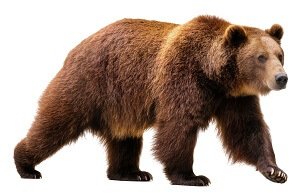 A soft teddy bear sitting on your kid’s pillow looks very different from the giant animals roaming wild forests and frozen seas. Yet real bears do things that sound straight out of a storybook, like building treetop beds and wearing furry socks on slippery ice.
Sharing these surprising stories at the dinner table or on your next trip to the zoo will keep your child smiling and asking questions all afternoon.
11 Interesting & Fun Bear Facts for Kids They Will Love to Know about
Only 8 species of bears live on Earth today, and they make their homes across North America, South America, Europe, and Asia. Even with big heavy bodies and short legs, bears can climb tall trees, swim across cold water, and sniff out snacks hidden miles away.
From tiny babies the size of a teacup to clever tricks for scooping honey out of trees, every kind of bear has its own special talent. Now let us take a look at those fun bear facts!
1. Polar Bears Can Smell Dinner from 20 Miles Away
Smelling warm cookies baking in your kitchen from down the hallway feels pretty impressive. But when it comes to long-distance smelling, bears possess one of the most powerful noses in the entire animal kingdom!
While an old myth claims bears have weak eyesight, their vision is actually comparable to humans. However, their sense of smell is truly superhuman. A polar bear has an olfactory bulb in its brain four times larger than ours, allowing it to smell a ringed seal resting on Arctic ice from up to 20 miles (32 kilometers) away! It can even sniff out a seal’s underwater breathing hole concealed beneath nearly 3 feet of solid ice and hard-packed snow from 1 mile (1.6 kilometers) away.
Meanwhile, tropical species like the sun bear have a sense of smell thousands of times sharper than a human’s, letting hungry bears track down ripe fruit, hidden beetle nests, and bee hives deep inside dense jungle trees long before seeing them.
2. The Biggest Bears Weigh as Much as a Small Car, While the Smallest Is Shorter Than Your Bed
You might picture every bear as a massive giant, but the 8 living bear species on Earth come in a startling variety of sizes, from towering Arctic hunters to knee-high forest climbers.
The Kodiak bear (a giant subspecies of brown bear found in Alaska) and the polar bear stand as the two largest land-dwelling carnivores on Earth. Huge males can weigh up to 1,500 to 1,700 pounds (680 to 780 kilograms) and tower nearly 10 feet (3 meters) tall when standing upright on their hind legs, high enough for their ears to brush your living room ceiling!
At the opposite end of the scale lives the tropical sun bear of Southeast Asia, the world’s smallest bear. Adult sun bears weigh just 60 to 145 pounds (27 to 65 kilograms) and measure only 3.5 to 4.5 feet long, making an adult sun bear shorter than a standard bedroom bed and lighter than an adult human!
3. Sun Bears Use a Super Long Tongue to Scoop Honey Out of Trees
Getting sweet honey and crunchy insect snacks out of a narrow crack inside a hardwood tree trunk is tough when you have wide, heavy paws. Most animals would have to give up and walk away hungry.
The sun bear solves this puzzle with specialized evolutionary tools: crushing jaws that bite through thick tree bark, enormous curved 4-inch claws that rip open rotten logs, and an extraordinary tongue that stretches 8 to 10 inches (20 to 25 cm) long! This is the longest tongue relative to body size of any carnivore on Earth, allowing the sun bear to slurp up stingless bee honey, termites, and beetle grubs from the deepest tree hollows.
Because it loves sweet treats so much and has the ultimate built-in honey spoon, people across Southeast Asia fondly nickname the sun bear the “honey bear”.
4. Newborn Bear Cubs Can Weigh as Little as a Cup of Milk
You would probably expect a giant 500-pound mother bear to give birth to a big, sturdy baby. In reality, baby bear cubs are born remarkably tiny, hairless, and helpless.
A baby bear is called a cub, and it enters the world with its eyes shut tight and weighing a fraction of its mother’s size. A 200-pound mother American black bear gives birth to cubs that weigh only 8 to 12 ounces (230 to 340 grams), while giant panda babies weigh a mere 3.5 to 5 ounces, making a newborn panda cub roughly 1/900th of its mother’s body weight!
An 8-ounce newborn cub weighs about the same as a single small cup of milk or a medium apple. Mother bears produce exceptionally rich milk packed with over 30 percent fat, helping these tiny babies grow into rambunctious, 20-pound youngsters before leaving the den in spring.
5. Bears Do Not Pee or Poop for Up to 6 Months During Winter Sleep
Think about how hard it is to sit through a long car ride without asking for a bathroom break. Bears that live in cold climates pull off the ultimate biological hold every single winter!
Unlike smaller true hibernators like groundhogs whose body temperatures drop down to near freezing, bears enter a state of dormancy called winter torpor. A denning bear’s heart rate drops from 50 beats per minute down to just 8 to 12 beats, yet its body temperature stays around 91 degrees Fahrenheit (33 degrees Celsius) so it can wake up quickly to defend its den.
During this 4 to 6 month winter sleep, bears do not eat, drink, pee, or poop at all! Instead of building up dangerous toxins, a bear’s amazing body recycles its urea waste back into amino acids to rebuild muscle tissue, meaning bears wake up in the spring with strong bones and lean muscles. To fuel this hibernation miracle, bears spend the late summer and autumn in a nonstop feeding frenzy called hyperphagia, eating up to 20,000 calories a day to pack on thick fat stores.
6. Polar Bears Have Clear Hollow Fur and Built-In Furry Socks
Walking across wet, slippery ice in freezing Arctic blizzards would make human feet slip around and turn numb with cold in seconds. The mighty polar bear stays warm and sure-footed thanks to ingenious physical adaptations.
Even though a polar bear looks dazzling white like snow, its fur contains zero white pigment. Every single guard hair is a clear, hollow tube filled with air that traps warmth and scatters sunlight, creating the optical illusion of white fur while hiding jet-black skin underneath that drinks in warmth from the sun!
Furthermore, polar bears have wide paws spanning up to 12 inches across, covered in stiff fur on the undersides that acts like built-in non-slip socks. These furry soles keep their feet warm, muffle footsteps when stalking seals, and work alongside thousands of tiny foot bumps called papillae to grip slippery ice like high-traction snow tires.
7. Baby Bear Cubs Hum Like Little Motors and Sun Bears Cluck Like Hens
Storybooks and movies almost always show bears letting out ferocious, scary roars. While alarmed bears do growl, woof, and chuff, they also make a charming variety of gentle vocalizations to communicate with family members.
When newborn bear cubs nurse from their mother inside the dark den, they produce a loud, steady humming sound that sounds just like a miniature electric motor or a purring kitten. Wildlife biologists believe this purr-like hum signals contentment and stimulates the mother’s body to release more milk.
Adult bears have surprising voices as well. Friendly sun bears greet each other with soft, cheerful clucking sounds just like farmyard hens, while South American Andean bears emit high-pitched bird-like whistles and trills across the cloud forest canopy!
8. South America’s Only Bear Builds Stick Nests High Up in Trees
Most people imagine bears sleeping inside dark mountain caves or hollow logs on the forest floor. But in the misty cloud forests of South America, one clever climber prefers sleeping in leafy treetop suites!
The Andean bear (also known as the spectacled bear because of the yellowish rings encircling its eyes) is the only bear species native to South America. Because it spends much of its life foraging in high canopies, it bends living branches together to build sturdy stick platforms high in the trees.
These leafy treehouse nests keep the Andean bear safe from ground predators, provide comfortable platforms for afternoon naps, and give the bear a sturdy dining chair while it feasts on high-hanging figs, palm fruits, and succulent orchid bulbs.
9. Grown-Up Bears Live Mostly Alone, and a Rare Group Is Called a Sleuth
While social carnivores like gray wolves live and hunt in cooperative family packs, adult bears are independent loners that value peace and quiet.
Outside of the springtime breeding season and mother bears raising their young cubs, adult bears lead solitary lives. Each bear travels through a large home territory, marking tree trunks with claw scratches and scent rubbings to let other bears know the neighborhood is occupied.
Because bears prefer solitude, seeing a group together is rare, usually occurring only when many bears gather around an abundant food bonanza like a coastal Alaska salmon run. When multiple bears gather together, the group is called a sleuth or a sloth of bears!
10. Myth Busted: Bears Look Slow and Clumsy, But They Can Outrun You at 35 Miles Per Hour
When a bear ambles through a meadow, it walks with a shuffling, plantigrade gait, stepping on the soles of its feet and swinging both legs on one side of its body forward at the same time. This lumbering waddle leads many people to assume bears are slow, clumsy animals.
Never let that slow shuffle fool you: bears are world-class explosive sprinters! Driven by massive shoulder humps made of pure muscle, an adult brown bear can hit sprint speeds of 35 to 40 miles per hour (56 to 64 km/h), while black bears easily reach 30 miles per hour.
At 35 miles per hour, a sprinting bear runs faster than a galloping horse and easily overtakes large prey like an adult moose. Even the fastest human sprinters in history only reach top speeds of 27 miles per hour, meaning no human on Earth can ever outrun a charging bear!
11. Grizzly Bears Got Their Name from Their Gray-Tipped Hair
Because the word “grizzly” sounds almost identical to the word “grisly” (which means gruesome or terrifying), many people assume grizzly bears got their name because early settlers found them intimidating. The true origin of their name is actually all about their fur.
Inland brown bears across North America grow long outer guard hairs that have silver, blond, and pale-gray tips. When sunlight strikes their fur, the light tips give the bear a frosted, shimmering appearance.
In 1815, naturalists officially described the bear using the old English word “grizzled”, which means “streaked or sprinkled with gray hair”. That silvery coat is why these majestic brown bears are known worldwide as grizzly bears!
Frequently Asked Questions (FAQs)
What do bears like to eat the most?
Seven of the eight living bear species are opportunistic omnivores that enjoy berries, nuts, roots, grasses, bee larvae, and fish like salmon. In contrast, polar bears are hypercarnivores that hunt Arctic seals, while giant pandas are specialized herbivores whose diet consists almost entirely of bamboo.
Are bears true hibernators during the winter?
Biologists classify bear winter dormancy as winter torpor rather than true deep hibernation. Unlike smaller animals that let their body temperature plunge to freezing, a denning bear keeps its body temperature high enough to wake up quickly if disturbed, while recycling all metabolic waste with zero urination or defecation.
What is a baby bear called?
A baby bear is called a cub. Bear cubs are born blind, nearly hairless, and weigh only 8 to 16 ounces (or just 3.5 ounces in giant pandas), nursing on ultra-rich milk containing over 30 percent fat.
How fast can a bear run and swim?
On land, grizzly bears can sprint at blistering speeds of 35 to 40 miles per hour in short bursts. In the water, bears are powerful swimmers, with polar bears cruising through icy oceans at speeds up to 6 miles per hour for hours at a time.
How long do bears live in the wild?
In the wild, most bears live between 20 and 25 years, with some polar and brown bears reaching 30 years old. Under compassionate human care in accredited zoological parks and wildlife sanctuaries, bears frequently celebrate their early to mid-thirties!
Do all brown bears count as grizzly bears?
All grizzly bears are brown bears (*Ursus arctos horribilis*), but not all brown bears are grizzlies. The name grizzly specifically refers to inland North American brown bears with silver-tipped fur, whereas coastal Alaskan brown bears (like giant Kodiak bears) and European brown bears belong to distinct populations.
Next time you and your kid spot a bear at the zoo or read a bedtime story, ask them which bear superpower they liked best, from furry ice socks to treehouse nests. Seeing if your child can hum like a tiny bear cub or cluck like a friendly sun bear is a fun way to make these facts stick.
That was it, folks! Hope you and your little one enjoyed these amazing facts about bears.