11 Amazing Flamingo Facts for Kids [UPDATED]
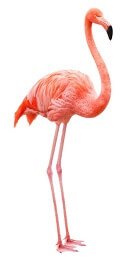 Spotting a bright pink bird balancing on one skinny leg at the zoo always makes your kid stop and point. Right after the giggles start, you usually hear a big question about why its feathers are so pink or how it never tips over in the water.
These tall wading birds have way more tricks hidden in their feathers than just a great balancing act. From eating dinner upside down to building mud volcano nests, you can share some truly surprising secrets with your child at bedtime or before your next zoo trip.
11 Interesting & Fun Flamingo Facts for Kids They Will Love to Know about
At first glance, a flamingo looks like a fancy cartoon bird standing quietly in a shallow pond. Flamingos are actually one of the oldest bird groups on Earth, with ancient fossil relatives that lived during the time of dinosaurs!
Once you look closer, everything from its curved beak to the way its legs bend tells a really fun story. Whether your child loves learning about baby animals, silly group dances, or how birds find food in the mud, these tall waders are full of surprises.
Now let us take a look at those fun flamingo facts!
1. They Turn Pink from Eating Shrimp and Algae
When you look at a bright pink or orange flamingo, it is easy to think the bird was born with feathers that color. In real life, a flamingo gets its famous color directly from the snacks it eats in the water.
Flamingos munch on tiny water plants called algae and small water creatures like brine shrimp that are full of natural colors called carotenoids. Those are the exact same natural pigments that turn carrots orange and ripe tomatoes bright red.
As the bird digests its meal, its body sends those natural colors straight into its growing feathers, face, and legs. In fact, flamingo parents actually turn pale white while raising their chicks because they feed almost all of their pink color pigments to their hungry babies!
2. They Stand Almost as Tall as a Refrigerator but Weigh as Little as a Cat
With such long legs and a long, curved neck, a flamingo towers over ducks and most other water birds. Looking at a bird that tall, you would probably guess it weighs a lot.
Depending on the species, adult flamingos stand between 2.6 and 5 feet tall, which makes the tallest ones nearly as high as a 5.8-foot kitchen refrigerator. Even at 5 feet tall, an adult American flamingo weighs only 4 to 8 pounds.
That means a bird standing as tall as an older kid weighs about the same as a small house cat. Their bones are hollow and filled with air sacs, keeping them so light that their wide webbed feet work like snowshoes to keep them from sinking into soft mud.
3. They Eat Their Meals With Their Heads Upside Down
If you tried to eat your soup with your head turned upside down, your lunch would make a giant mess on the table. For a flamingo, flipping its head upside down is the only way its specially bent beak works.
First, the bird wades into shallow water and stamps its webbed feet to stir up tasty food hiding in the mud. Next, it dips its head into the water completely upside down so the tip of its bent bill points backward toward its feet.
As it sweeps its head from side to side, its muscular tongue pumps muddy water in and out up to 20 times per second! Tiny comb-like plates along the edges of the bill work just like a kitchen strainer, catching shrimp, crabs, snails, and algae, straining water much like a duck or platypus while letting the mud wash away.
4. Newborn Chicks Are the Size of a Tennis Ball and Hatch With Gray or White Feathers
After a flamingo mom and dad take turns warming their egg for about 28 to 30 days, a tiny baby finally hatches out. If you spotted the newborn by itself, you might not even guess it belonged to the tall pink birds standing nearby.
A newly hatched flamingo chick is only about the size of a tennis ball and wears fluffy gray or white down feathers. Instead of having a bent beak like its parents, the baby starts life with a short, straight bill.
Because a straight bill cannot strain food out of the water yet, both parents feed their chick a nutritious liquid from their throats called crop milk. Along with pigeons and male emperor penguins, flamingos are among the only birds on Earth that make milk to feed their young!
5. They Can Fall Asleep While Standing on Just One Leg
Try standing on one foot with your eyes shut for a few seconds, and you will probably start wobbling right away. Flamingos do this balancing act so easily that they do not even have to think about it.
A flamingo can balance on one single leg for hours at a time, even long enough to fall fast asleep. While one long leg stays planted in the water, the bird tucks its other leg right up into the warm feathers under its belly to hold in body heat.
Scientists even discovered that a flamingo’s leg joints have a built-in gravity lock. The bones lock into place without using any muscle effort, which means standing on one leg is completely effortless and helps the bird save lots of energy!
6. Tough Skin on Their Legs Protects Them in Burning Salty Lakes
Most animals need fresh, clean water to wade and live safely. Some flamingos raise their families in extreme waters that almost no other creature can touch.
These birds often gather in super salty waters called alkaline or “soda” lakes. The carbonate salts in those lakes are so strong and harsh that the water can actually burn human skin.
To survive in such harsh water, flamingos have super tough skin on their legs that acts like built-in protective boots. They even have special salt glands above their eyes that filter out minerals from the salty water, pumping extra salt out through their nostrils like a built-in water purifier.
7. Thousands of Flamingos Communicate With Giant Marching Dances
Living in a giant crowd means flamingos need clear ways to talk to their neighbors and get everyone on the same page. Along with loud calls and vocal sounds, they use big group dance moves that look like a festive parade.
During these group displays, thousands of flamingos move together at the exact same moment. They stretch their necks high to turn their heads from side to side in a move called head-flagging, flash their black-edged wings in a wing salute, and do a fancy twist-preening motion.
Best of all, a tightly packed flock will go marching together in one direction before suddenly switching directions all at once. Dancing together synchronizes the hormones of the entire flock so thousands of eggs hatch at the exact same time, keeping all the babies safe together.
8. Both Parents Build a Mini Mud Volcano Nest for Their Single Egg
When you picture a bird’s nest, you probably think of a cozy cup made of twigs and grass up in a tree. Since flamingos live on open mud flats and shallow lagoons with very few trees, they use mud as their building material instead.
Both the mom and dad work as a team, using their bills to pull wet mud toward their feet during the hot summer breeding season. Together, they pile and shape the mud into a sturdy mound that looks just like a mini mud volcano with a shallow bowl on top so their single large egg will not roll off.
These mud mounds stand about 1 to 2 feet tall (12 to 24 inches high). Raising the nest up high keeps the egg safe from rising floods and protects it from scorching mud that can reach over 130 degrees Fahrenheit in the sun!
9. A Group Is Called a Flamboyance and Can Include Over One Million Birds
Many animals have fun group names, like a gaggle of geese or a pride of lions. Because flamingos are so bright and flashy, a group of flamingos has a special name to match: a flamboyance.
Flamingos are some of the friendliest, most social birds in the world, and you will almost never see one living all by itself. On big alkaline lakes in East Africa, more than 1 million lesser flamingos gather together to feed and nest.
When the chicks are just a week old, they leave their mud nests and gather into giant supervised daycares called crèches. These baby groups can hold thousands of chicks, watched over by a few adult chaperones while the other parents fly out to find dinner!
10. Their Knees Do Not Actually Bend Backward
If you watch a flamingo take a step, the joint in the middle of its long, thin leg bends backward. Because of the way that joint hinges, lots of people think a flamingo’s knees bend the wrong way.
Your eyes are actually playing a trick on you, because a flamingo’s knees bend forward just like human knees do. The joint you see bending backward halfway up the leg is really the bird’s ankle, while its real knee is tucked high up close to its belly under its feathers.
That means a flamingo spends its whole life standing and walking around on its tiptoes. What looks like its lower leg is really an extra-long foot bone, meaning that a 5-foot-tall bird has its heel raised high in the air with every step!
11. Their Name Comes from a Word Meaning “Flame-Colored”
Most people are used to seeing flamingos standing quietly in shallow water at the zoo. When these birds need to move to a new lake for food or warmer weather, the whole flock takes to the sky and flies.
As a flamingo flies with its long neck and legs stretched straight out, its bright pink, orange, and red feathers with black wing edges streak across the sky like flying fire. Because of those bright fiery colors, the word flamingo comes from the Spanish and Portuguese word meaning “flame-colored”.
When migrating to new lakes, flamingos can fly at speeds over 35 miles per hour and soar up to 15,000 feet high, cruising for hundreds of miles under the cover of night. Today, there are six species of these flame-colored birds living across the world, from the American flamingo in the Caribbean to the rare Andean flamingo high in the mountains of South America.
Frequently Asked Questions (FAQs)
1. What do flamingos eat?
Flamingos eat tiny water plants called algae along with small creatures like brine shrimp, crabs, snails, and fly larvae that they strain out of shallow muddy water.
2. What is a baby flamingo called?
A baby flamingo is called a chick, and it hatches about the size of a tennis ball with fluffy gray or white feathers instead of pink ones.
3. Where do flamingos live?
The six species of flamingos live around shallow salty lagoons, mud flats, and lakes in the Caribbean, South America, Africa, southern Asia, and parts of Europe.
4. How tall and heavy is an adult flamingo?
Depending on the species, adult flamingos stand between 2.6 and 5 feet tall, and a 5-foot-tall American flamingo weighs only 4 to 8 pounds.
5. Can flamingos actually fly?
Yes, flamingos are strong fliers that stretch their long necks and legs straight out in the air as they travel between lakes, often flying at night at speeds over 35 miles per hour.
6. How long do flamingos live?
American and Greater flamingos have a very long lifespan, living about 30 to 40 years in the wild and often reaching 50 to 60 years or more in protected zoo care.
Next time you and your child see a flamingo standing on one leg, you can point out its hidden ankle and talk about how shrimp helped paint its feathers pink. It is always fun watching your kid share these cool animal secrets with friends and family.
That was it, folks! Hope you and your little one enjoyed these amazing facts about flamingos.