
11 Amazing Peacock Facts for Kids [UPDATED]
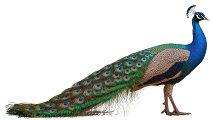 A loud, honking call echoes across the park path, and suddenly a giant green and blue feather fan pops open wider than a bicycle. Your kid stops in their tracks to stare at all the glowing round spots looking right back at them.
Everyone recognizes this famous bird right away, yet most people get its real name and its nighttime habits completely wrong.
11 Interesting & Fun Peacock Facts for Kids They Will Love to Know about
These bright birds look like they belong in a quiet royal garden, but they are actually tough forest birds that hunt small snakes and sleep high up in the treetops.
From tiny babies that can fly at just one week old to why only the boys are actually called peacocks, there is plenty here to surprise both you and your kid.
Now let us take a look at those fun peacock facts!
1. A Male Peacock’s Feather Fan Has Up to 175 Shiny “Eyespots”
When a male peacock lifts his long green feathers into a big fan, it looks like dozens of painted eyes are watching you.
Scientists call these round, colorful circles ocelli, or eyespots, and a single male peacock can have 100 to 175 eyespots ringed in bright blue and bronze, much like the patterns found on the wings of butterflies.
During mating season, the peacock shakes and rattles his open fan so all those spots shimmer at once, and female peahens pick the males with the most eyespots.
2. They Are Among the Heaviest Flying Birds on Earth
You might think a bird that flies up into trees has to be super light, like backyard robins, pigeons, or tropical parrots.
Peafowl are actually the largest members of the pheasant family, and an adult male weighs 8 to 13 pounds (3.8 to 6 kilograms), making them some of the heaviest flying birds in the world.
That means a grown male peacock weighs about as much as a large house cat, and from his beak to the tip of his long feather train, he can stretch 70 to 98 inches (up to 8 feet) long, which is longer than a grown-up’s bed!
3. Peacocks Eat Everything From Sweet Figs to Small Snakes
With such fancy feathers, you might expect a peacock to be a picky eater that only nibbles on soft flower petals.
Peafowl are actually omnivores, which means they walk along the ground eating both plants and small animals, including berries, figs, seeds, grains, insects, lizards, and even small snakes.
Because they spend their days gobbling up bugs and creepy-crawlies in the grass, they help keep farms and forests free of pests.
4. Baby “Peachicks” Can Fly When They Are Just One Week Old
Most baby birds you see in backyard nests hatch with their eyes closed and cannot even stand up by themselves.
Baby peafowl, called peachicks, hatch weighing just 3.6 ounces (about as light as a deck of playing cards), yet they already have feathers and can walk and eat on their own almost right away.
Even more amazing, these tiny peachicks are strong enough to fly just one week after hatching so they can follow their mother up onto safe tree branches.
5. They Fly Up Into Tall Trees Every Night for Bedtime
If you watch peacocks at a zoo or park during the day, you will see them walking and running around on the ground almost the whole time.
Once the sun goes down, sleeping on the ground is too risky because hungry nighttime predators are out hunting.
So every evening at dusk, peafowl use short, strong bursts of wing power to fly up into tall, open trees, where they roost together in big groups until morning, just as barn owls find high shelters to sleep during the day.
6. Mother Peahens Wear Brown Camouflage Feathers to Hide Their Eggs
Kids often ask why the boy bird gets shiny blue and green feathers while the girl bird looks plain brown.
A mother peahen builds her nest right in a shallow scrape on the ground and sits on her 3 to 8 eggs all by herself for 26 to 30 days.
If she had bright blue feathers, predators would spot her nest right away, so her mottled brown feathers work like a camouflage blanket that helps her blend into dry bushes.
7. Their Loud Honks Work Like a Forest Alarm System
When you see a graceful peacock strutting across the grass, you might expect it to sing a sweet, quiet melody like cheerful mockingbirds.
Instead, peacocks let out loud, screeching calls and deep honks early in the morning and late in the evening that can be heard from far away.
Because peafowl have super sharp eyes, they are usually the first animals to spot a sneaking predator like a Bengal tiger, and their loud alarm calls warn all the other animals in the forest to run and hide.
8. Only the Male Birds Are Actually Called “Peacocks”
Almost everyone points at any bird in this family and calls it a peacock, even when they are looking at a brown female.
That is actually a popular mix-up, because the word peacock is only the name for the male bird.
The female is called a peahen, the babies are called peachicks, and the whole bird family is properly called peafowl, working just like roosters, hens, and chickens on a farm.
9. There Are Three Different Species of Peafowl in the World
Most people have only seen the bright blue peacock at the zoo, so it is easy to think there is only one kind on Earth.
Scientists actually recognize three species of peafowl: the Indian (or blue) peafowl from India and Sri Lanka, the green peafowl from Southeast Asia, and the Congo peafowl from central Africa.
In the wild, they love living in warm, open forests near streams, though the blue Indian peafowl is tough enough to survive cold winter snow in northern parks too.
10. A Group of Peafowl Is Officially Called a “Party” or a “Pride”
Peafowl do not like spending time all alone, so they sleep in big tree groups at night and walk around in smaller groups during the day.
Because a bunch of colorful peacocks strutting together looks like a lively celebration, a group of peafowl is officially called a “party,” a “pride,” or an “ostentation”.
Next time you and your kid spot three or four of these birds walking across a lawn looking for snacks, you can tell everyone you just found a peacock party!
11. They Are the National Bird of India and Sailed on Ancient Royal Ships
People did not just start admiring peacocks in modern zoos; humans have treated these birds like treasures for thousands of years.
The Indian peafowl is the protected National Bird of India, and ancient sailors first carried them on ships from India to Egypt and Syria about 3,000 years ago.
Roughly 600 years after that, the famous ruler Alexander the Great brought peafowl to Greece and liked them so much that he made a rule forbidding anyone from harming them.
Frequently Asked Questions (FAQs)
Can peacocks actually fly?
Yes, peafowl can fly in short, strong bursts to get away from predators on the ground and reach the tall treetops where they sleep at night.
How long do peacocks live?
Peafowl usually live for 15 to 20 years in the wild, and they can live even longer in protected parks.
What is a baby peacock called?
A baby bird in the peafowl family is called a peachick.
Is a peacock’s big feather fan its real tail?
No, the famous 5-foot (1.7-meter) fan is actually called a train and is made of long back feathers (upper tail coverts) that grow over a short, plain tail underneath.
What do peacocks eat in the wild?
Wild peafowl are omnivores that forage on the ground for berries, figs, grains, seeds, flower parts, insects, small lizards, and small snakes.
When do male peacocks get their bright colorful feathers?
Young males look just like their brown mothers at two months old and do not grow their bright adult colors until their second year, with their long train feathers getting bigger between ages 4 and 12.
Whether you spot a male shaking his 175 shiny eyespots or a brown mother peahen leading her little peachicks through the grass, you now know the real secrets behind these birds. Next time you hear a loud honk at the zoo, ask your kid if they are looking at a peacock or a peahen!
That was it, folks! Hope you and your little one enjoyed these amazing facts about peacocks.


