11 Amazing Reindeer Facts for Kids [UPDATED]
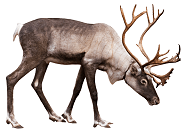 Every December, you see reindeer painted on holiday cards, cookie tins, and pajamas with giant branching antlers on their heads. Most kids know they pull a sleigh in storybooks, but the real-life animals living in the freezing north have body tricks that beat any fairy tale.
From eyeballs that switch colors in the dark winter to feet that click with every single step, real reindeer are built for life in deep snow. Your kid is going to love finding out what makes these cold-weather deer so unusual.
11 Interesting & Fun Reindeer Facts for Kids They Will Love to Know about
Surviving in icy places where snow covers the ground for months takes some very clever tools. Reindeer wear hollow fur coats, shovel snow with their feet, and even take quick brain naps while chewing their lunch.
Whether you call them reindeer or caribou, every part of their body from their furry noses down to the bottoms of their hooves is made for freezing weather. You can share these easy, real-life facts with your kids the next time they spot a reindeer in a book or at the zoo.
Now let us take a look at those fun reindeer facts!
1. Female Reindeer Are the Only Girl Deer That Grow Antlers
In almost every other kind of deer in the world, only the boys grow big antlers on top of their heads. If you spot a female deer in the woods near your house, her head will be completely smooth.
Reindeer are the only species out of more than 45 kinds of deer where both males and females grow antlers. Unlike animal horns that stay on forever, reindeer antlers fall off and grow back bigger every single year.
While new antlers are growing, they are covered in a soft, fuzzy skin called velvet that carries blood to help the bone grow. Having antlers helps mother reindeer push other deer away from food holes in the snow so they can feed their growing babies.
2. A Full-Grown Reindeer Is About as Long as Your Bed
When you see reindeer in cartoons, it can be tricky to tell how big they really are next to a person. Compared to tall forest cousins like the moose, reindeer have thicker bodies and shorter, sturdier legs.
From nose to tail, a grown-up reindeer measures 4 to 7 feet long, which is right around the length of a standard grown-up bed (about 6.25 feet long). Standing on all four legs, their shoulders reach 28 to 53 inches (70 to 135 centimeters) tall, or about the height of a kitchen counter.
Depending on the time of year, female reindeer weigh 121 to 308 pounds (55 to 140 kilograms) and males usually weigh 143 to 529 pounds (65 to 240 kilograms), while the very biggest individuals can reach 700 pounds (320 kilograms).
3. Special Belly Helpers Let Them Eat Crunchy “Reindeer Moss”
During the freezing winter, fresh green grass and tree leaves get buried deep under the snow. Most grazing animals would go hungry in that icy weather, but reindeer know exactly where to find hidden snacks.
They use their sharp hooves like snow shovels to dig through the snow and uncover a crunchy, plant-like food called lichen, also known as reindeer moss. Most animals cannot digest lichen easily, but reindeer have a special enzyme in their stomach that turns it into rich energy.
In warmer months, they also munch on grasses, ferns, mosses, and birch or willow leaves. A hungry adult reindeer eats 9 to 18 pounds (4 to 8 kilograms) of plants every day, which weighs about as much as a big bowling ball.
4. A Baby Reindeer Can Walk Just One Hour After Being Born
Human babies take almost a whole year to learn how to stand up and walk across the living room floor. Out on the open snowfields, a baby reindeer has to get moving much faster to keep up with its family.
A baby reindeer is called a calf, and it can stand up and walk about 1 hour after it is born. At birth, a single calf weighs 5 to 20 pounds (2.5 to 9 kilograms), which is about the size of a newborn human baby or a small backpack.
Mother reindeer make such rich, healthy milk that a calf doubles its birth weight in just 2 weeks. The little calf starts nibbling solid plants at 1 week old and stays close to its mom to nurse for about 6 months.
5. They Can Fall Asleep While Chewing Their Food
During the short Arctic summer, daylight lasts almost all day and night, and reindeer have to spend hours eating to store fat for winter. With so much munching to do, finding extra hours to lie down and nap is tough.
To save time, reindeer can actually sleep and chew their food at the exact same time. Like cows, reindeer bring swallowed plant food back up into their mouths to chew a second time, which is called chewing their cud.
While a reindeer sits quietly chewing its cud, its brain waves slow down into a restful non-REM sleep state. Combining snack time with nap time lets them wake up rested and well-fed at the same time.
6. Their Eyes Change Color From Gold in Summer to Blue in Winter
Your eyes stay the same color whether you are playing at the beach in July or building a snowman in January. Arctic reindeer live where the sun shines all summer long, followed by dark winter months with very little sunlight.
To help them see in both bright light and winter darkness, reindeer eyes change from orange-gold in the summer to deep blue in the winter. This color shift happens in the mirror-like layer at the back of their eyes.
Turning their eyes blue in winter helps reindeer take in more ultraviolet (UV) light in the snow. That extra light lets them spot crunchy lichen to eat and snowy tundra neighbors like the arctic fox or camouflaged wolves.
7. Their Feet Make a Loud “Click, Click” Sound With Every Step
Reindeer are usually very quiet with their voices during the day. Mother reindeer, called cows, talk to their babies with soft grunts, while male reindeer, called bulls, make loud bellows during the autumn mating season.
Even when they do not make a peep with their mouths, their feet make a loud “click, click” sound every time they take a step. That clicking sound does not come from their hooves tapping on hard ice or rocks.
Instead, a tendon inside the foot slips over a foot bone whenever the reindeer walks, snapping like a rubber band over your knuckle. When noisy snowstorms blow in, all those clicking feet help the herd stay together even when they cannot see very far.
8. Hollow Winter Hairs Work Like a Puffy Coat in the Freezing Cold
Reindeer live in freezing northern places called the Arctic tundra and northern forests across Alaska, Canada, Greenland, northern Europe, and Russia. They never build cozy dens or sleep inside caves when icy winds blow.
They stay warm outdoors because their bodies are covered in thick fur from their noses all the way to the bottoms of their hooves. Much like the cold-defying coat of a polar bear, each winter hair is hollow inside like a tiny drinking straw, trapping warm body heat just like a puffy winter jacket.
The furry bottoms of their feet keep them from slipping on slick ice, while their wide hooves work like snowshoes on soft snow. Those big, flat hooves also act like boat paddles, letting adult reindeer swim across chilly rivers at 4 to 6 miles per hour (6 to 10 kilometers per hour).
9. They Team Up in Giant “Super Herds” of Up to 500,000 Reindeer
Reindeer love being around friends and spend every day walking, eating, and resting in groups called herds. For most of the year, a regular herd has between 10 and a few hundred reindeer traveling together.
When spring arrives, smaller groups join together to form giant super herds of 50,000 to 500,000 animals. Since almost all the mothers give birth in May or June, every new calf has thousands of buddies to run and play with.
When winter makes food hard to find, these huge herds travel 750 to 1,000 miles (1,200 to 1,600 kilometers) to reach warmer feeding spots, shadowed by northern predators like the arctic wolf. If danger chases the herd, an adult reindeer can sprint at speeds up to 50 miles per hour (80 kilometers per hour), which is as fast as a family car driving on a highway.
10. Myth Busted: Holiday Reindeer With Antlers Are Actually Girls
Look at any holiday picture book or movie, and you will see male reindeer pulling Santa’s sleigh with giant antlers on Christmas Eve. That makes for a fun drawing, but real-life reindeer antlers follow a very different winter schedule.
Grown-up male reindeer drop their antlers in November, leaving their heads completely bare all winter long until new ones sprout in the spring. Female reindeer keep their antlers all through the winter until their calves are born in May or June.
Because only the females still wear their crowns of antlers in late December, any sleigh-pulling reindeer with antlers on Christmas Eve would actually have to be a girl reindeer!
11. Reindeer and Caribou Are the Exact Same Animal With Two Names
You might have heard nature shows talk about wild caribou in Canada and Alaska and wondered if they are cousins of the reindeer. It turns out they are not just cousins at all.
Reindeer and caribou belong to the exact same animal species (Rangifer tarandus), and their name simply depends on where they live. In North America, wild herds that roam freely are called caribou, while in Europe and Asia (or when tamed by people) they are called reindeer.
Northern people such as the Sami of northern Europe have cared for domesticated reindeer for at least 3,000 years. That long partnership makes reindeer the only deer species in the world to be widely domesticated to pull sleds and carry packs across the snow.
Frequently Asked Questions (FAQs)
1. What do reindeer like to eat the most?
Reindeer love eating grasses, mosses, ferns, tree shoots, and a crunchy plant-like food called lichen (or reindeer moss) that they dig up from under the snow.
2. What is a baby reindeer called?
A baby reindeer is called a calf, while a mother is called a cow and a father is called a bull.
3. Can reindeer really fly?
Real reindeer cannot fly through the air, but they can run up to 50 miles per hour on land and swim up to 6 miles per hour across icy water.
4. How long do reindeer live?
Reindeer usually have a lifespan of 15 to 18 years.
5. Why do both male and female reindeer have antlers?
Both males and females grow antlers, and females keep theirs all winter so they can dig through snow and defend food patches while carrying their babies.
6. Are reindeer and caribou different animals?
No, reindeer and caribou are the exact same species, with “caribou” used for wild herds in North America and “reindeer” used in Europe, Asia, and for domesticated animals.
Next time you and your kid spot a reindeer decoration during the holidays, check to see if it has antlers and share the secret that winter antler-wearers are actually girls. Between their color-changing eyes and clicking feet, these tough snow deer are full of fun surprises to talk about at bedtime.
That was it, folks! Hope you and your little one enjoyed these amazing facts about reindeer.