11 Cool Winter Solstice Facts for Kids [UPDATED]
 Step outside right after school in late December, and the streetlights are already glowing before dinner is even on the stove. Your kid looks up at the dark sky at 4:30 in the afternoon and asks why bedtime seems to show up so early!
That super short afternoon happens because of a special sky event that visits our planet every December. Grab a mug of warm cocoa with your kid and see how this shortest day of the year actually works.
11 Interesting & Fun Winter Solstice Facts for Kids They Will Love to Know about
Most kids think winter days get short and chilly because the Sun wanders far away from Earth. The real reason has to do with our planet leaning sideways like a playground slide as it travels around the Sun.
From stretching your lunchtime shadow across the sidewalk to lighting up ancient stone tunnels, the shortest day of the year is packed with cool surprises.
Now let us take a look at those fun winter solstice facts!
1. It Gives You the Shortest Day and Longest Night of the Year
If you feel like you barely get any playtime outside before dark in late December, your eyes are not playing tricks on you. Every year on December 21 or December 22, the Northern Hemisphere reaches the winter solstice.
On this day, the Sun travels along its lowest path across the sky, which gives you the shortest day and longest night of the entire year (falling on Monday, December 21 in 2026).
Here is the best news for kids who love afternoon park trips. Starting the very next morning after the winter solstice, daylight slowly begins growing longer again by a tiny bit each day until the sunny season in our fun summer facts for kids!
2. It Happens Because Earth Leans Sideways like a Playground Slide
If you spin a basketball on your finger, it stands straight up and down. Our planet Earth does not spin straight up like that as it travels around the Sun.
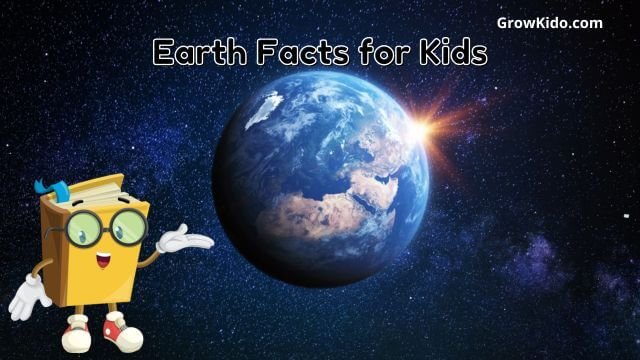
Instead, as shared in our fascinating Earth facts, our planet leans sideways at a 23.5-degree tilt, which is a gentle slant like a backyard playground slide. During the December solstice, the top half of Earth leans at its farthest tilt away from the Sun.
Because your half of the planet is leaning backward away from the sunshine, the Sun’s rays hit the ground at a low angle and stay in the sky for fewer hours.
3. The Word “Solstice” Actually Means the Sun Stands Still
Watch where the Sun sits in the sky at lunchtime every week in autumn, and you will notice it sinking lower and lower each day. For a few days right around the solstice, the noon Sun looks like it stops dropping lower before it turns around to climb higher again.
Ancient Romans noticed this cool sky trick and combined the Latin word sol (meaning sun) with sistere (meaning to stand still).
Of course, the Sun does not really freeze in place in outer space. It only looks like it pauses from your backyard because Earth reaches the turning point of its lean as it circles the Sun.
4. The Winter Solstice Is Actually One Quick Second, Not a Whole Day
People talk about the winter solstice as a whole calendar day, just like a birthday or a school holiday. In astronomy, as explored in our thrilling space facts, the winter solstice actually happens at one exact instant in time.
That single moment happens right when the North Pole leans farthest from the Sun and the Sun shines straight down over a southern line on the globe called the Tropic of Capricorn.
That exact solstice moment passes as fast as you can clap your hands or blow out a birthday candle, even though we celebrate it all day long!
5. Your Lunchtime Shadow Stretches to Its Longest Size of the Year
Stand in front of a flashlight held high above your head, and your shadow on the floor looks tiny and stubby. Move that flashlight down low near your shoes, and your shadow stretches all the way across the bedroom!
On the winter solstice, the Sun acts just like that low flashlight because it reaches its lowest noon position in the sky of the whole year.
If you step onto a sunny sidewalk at lunchtime on December 21, you will see your longest noon shadow of the year stretching out behind you like a giant on stilts!
6. The North Pole Gets All-Day Darkness While the South Pole Gets All-Day Sun
While you still get several hours of winter sunshine in your neighborhood, regions near the top of the world, explored in our polar bear facts for kids, see something very different. Around the North Pole, Earth leans so far back on the winter solstice that the Sun does not rise at all.
The North Pole experiences 24 hours of darkness on the December solstice, and the very top of the pole actually stays dark for six whole months between autumn and spring!
At the exact same moment, the bottom half of Earth leans toward the Sun, so families in Australia and scientists in our Antarctica facts for kids enjoy their longest summer day of the year.
7. Myth Busted: Earth Is Actually Closer to the Sun in December, Not Farther Away
Many people believe winter is freezing cold because Earth floats far away from the Sun, and they also guess the shortest day must be the coldest day of the year. Both of those popular ideas are completely false!
Earth travels around the Sun in a slightly oval loop and actually moves about 3 million miles closer to the Sun in early January (just days after the December solstice) than it is in July.
The coldest days of winter also wait until mid-January to show up because Earth’s oceans and land take weeks to cool down, just like a warm tub of bathwater takes time to get cold after you turn off the tap.
8. A Secret Stone Age Tunnel in Ireland Lights Up Only for the Solstice
Long before people had wristwatches or paper calendars, ancient builders in Ireland constructed a giant round mound of stone and earth called Newgrange. Inside the mound, they built a stone hallway that stretches 62 feet (19 meters) long, which is longer than one and a half school buses parked in a row.
For almost the whole year, the room at the back of that long stone tunnel sits in complete darkness.
However, for a few days around the winter solstice (December 19 to December 23), the rising morning Sun lines up with a special opening above the door and sends a bright beam of light right down the 62-foot passageway for about 17 minutes.
9. Giant Rocks at Stonehenge Were Lined Up With the Winter Solstice Sunset
In England, prehistoric builders arranged a famous circle of giant standing stones called Stonehenge to track the Sun across the seasons. The tallest stones stood up to 30 feet (10 meters) high and weighed more than 45 tons, which is heavier than seven adult elephants standing on a scale together!
Those ancient builders carefully lined up the stone circle and the first 1,600 feet (500 meters) of its outdoor walkway with the winter solstice sunset.
When the Sun sank down on the shortest day of the year, people standing at Stonehenge knew the darkest part of winter had arrived and brighter days were on the way.
10. Families in China Eat Warm Bouncy Rice Balls for the Solstice
In China and across East Asia, the winter solstice brings a cozy family celebration called the Dongzhi Festival. Because daylight starts growing longer right after the solstice, families gather around the table to celebrate the return of longer sunny days and good cheer.
In southern China, kids and parents roll chewy balls of sticky rice called tangyuan, which are about the size of a bouncy toy marble.
These colorful rice balls are cooked in a warm sweet or savory soup and eaten together to wish the whole family happiness and togetherness for the coming year.
11. Cozy Traditions Like the Yule Log Started as Winter Solstice Parties
Many of the holiday traditions your family sees in December actually started thousands of years ago as winter solstice celebrations. In Scandinavia, ancient families celebrated a solstice feast called Juul (or Yule) by lighting bonfires and burning a heavy wooden Yule log in the fireplace to welcome back the warm Sun.
In Iran, families still celebrate the longest night of the year during a festival called Yalda by staying up late together, telling stories, and snacking on bright red pomegranates and nuts.
Whether people are lighting candles, sharing gifts, or eating special treats, humans all over the world have used the longest night of the year to bring warmth and light indoors.
Frequently Asked Questions (FAQs)
When is the winter solstice in the Northern Hemisphere?
The winter solstice happens every year on December 21 or December 22, and in 2026 it falls on Monday, December 21 at 20:50 UTC.
Why is the winter solstice the shortest day of the year?
It is the shortest day because the Northern Hemisphere is tilted 23.5 degrees away from the Sun, making the Sun travel its lowest and shortest path across the sky.
Do the days get longer after the winter solstice?
Yes, starting the very next day after the winter solstice, daylight hours slowly grow longer every day until the summer solstice in June.
Is the winter solstice the coldest day of the year?
No, the coldest days usually arrive several weeks later in mid-January because Earth’s land and oceans take extra time to cool down.
What happens in the Southern Hemisphere during the December solstice?
Because the bottom half of Earth leans toward the Sun in December, the Southern Hemisphere gets its longest summer day of the year at the exact same time.
What does the word solstice mean?
The word solstice comes from two Latin words, sol (sun) and sistere (to stand still), because the noon Sun appears to pause at its lowest point in the sky before climbing higher again.
The next time December 21 rolls around, step outside with your kid at lunchtime to measure your super-long sidewalk shadows before snuggling up indoors for the longest night of the year. Even on the darkest day of December, it is fun knowing that tomorrow brings a little extra sunshine!
That was it, folks! Hope you and your little one enjoyed these amazing facts about the winter solstice.