11 Surprising Pumpkin Facts for Kids [UPDATED]
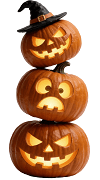 Knock your knuckles against a big orange pumpkin on the front porch, and it sounds just like a hollow wooden drum. Scoop open the top at your kitchen table, and your kid will find hundreds of slippery seeds hiding inside a web of orange strings.
Most kids know pumpkins as autumn porch decorations or the main ingredient in holiday pie, as explored in our fascinating Thanksgiving facts. Yet these tough backyard gourds have a wild story that includes Ice Age mammoths, sleeping bees, and real river boats.
11 Interesting & Fun Pumpkin Facts for Kids They Will Love to Know about
You probably see stacks of bright orange pumpkins outside the grocery store every autumn. From the outside, they look like simple garden vegetables sitting quietly in the dirt.
Look a little closer, and you will find out that pumpkins are full of surprises that can fool even grown-ups. Some grow heavier than a family car, while others come in bright blue and pink colors.
Now let us take a look at those fun pumpkin facts!
1. Pumpkins Are Actually Giant Berries, Not Vegetables
Many people think pumpkins are vegetables because you can roast them for dinner alongside carrots and potatoes. Even grocery stores stack them right in the vegetable aisle.
In plant science, however, a pumpkin is actually a fruit because it grows from a flower and holds seeds inside. Even more surprising, scientists classify every pumpkin as a special kind of berry called a pepo.
A pepo is a berry with a thick, hard outer skin that protects the soft pulp and seeds in the middle. That makes your Halloween pumpkin a giant cousin to watermelons, cucumbers, and gourds.
2. The Heaviest Pumpkin Ever Grown Weighed 3,156 Pounds
A normal carving pumpkin you carry home from the pumpkin patch usually weighs between 9 and 18 pounds (4 to 8 kilograms). That is about as heavy as a bowling ball or a plump house cat.
In October 2026, grower Ron Wallace in Rhode Island grew an official record-breaking giant pumpkin that weighed 3,156 pounds (1,431.5 kilograms). It became the first pumpkin in history to pass the 3,000-pound mark.
A pumpkin that huge weighs more than a full-grown hippopotamus or a small family car. Farmers have to use heavy crane straps and a flatbed truck just to lift one onto the scale.
3. One Single Pumpkin Can Hold Up to 500 Seeds Inside
When you help your kid scoop out a pumpkin for carving, it feels like the slippery seeds never stop coming. Every single one of those flat, oval seeds can grow into a brand-new pumpkin vine.
A single full-grown pumpkin typically holds 400 to 600 seeds (averaging around 500) tucked inside its stringy middle. Once you plant those seeds in warm dirt, they take 90 to 120 days to grow into ripe autumn pumpkins.
You do not have to throw those extra seeds in the trash after carving your pumpkin. Every pumpkin has edible seeds (often called pepitas) packed with healthy minerals that you can roast in the oven and crunch as a snack.
4. Each Pumpkin Flower Opens for Only One Single Morning
Before a pumpkin ever appears on the vine, the plant grows big, bright yellow blossoms. Each vine makes both male flowers on thin stems and female flowers that have a tiny baby pumpkin bump at the base.
Every individual pumpkin flower opens early in the morning and stays open for only four to six hours. By the time the hot midday sun arrives, the petals close up permanently.
Because that window is so short, busy bees have just a few morning hours to carry pollen from a male flower to a female flower. If a bee visits in time, that little green bump swells into a real pumpkin.
5. Native Squash Bees Use Pumpkin Flowers as Cozy Little Beds
Honeybees are not the only insects helping out in the patch, as shared in our incredible bee facts for kids. Pumpkins have their very own best friends called native squash bees that feed only on pumpkins, squashes, and gourds.
Female squash bees wake up before the sun gets hot and zoom from blossom to blossom collecting pollen. Male squash bees spend the early morning flying around the patch looking for mates.
Right around noon, when the yellow pumpkin flowers wilt and fold shut, the tired male squash bees crawl inside the petals and fall fast asleep. The closed flower wraps around the bee like a soft yellow sleeping bag until morning.
6. Pumpkins Grow in Blue, White, Pink, and Green Colors Too
Ask your kid to draw a pumpkin with crayons, and they will reach straight for the bright orange crayon. Orange pumpkins get their color from beta-carotene, the exact same natural nutrient that makes carrots orange.
Not all pumpkins turn orange when they ripen on the vine. Depending on the variety, pumpkins naturally grow in white, blue, green, yellow, pink, gray, and tan.
Some tiny varieties like Baby Bear weigh just 1.5 to 2 pounds, while flat Jarrahdale and Blue Prince pumpkins wear a dusty blue shell that looks like a big smooth rock in the garden.
7. A Solid-Looking Pumpkin Is Made of 92% Water
When you pick up a fresh pumpkin at the farm stand, its hard outer rind and woody stem make it feel as solid as a bowling ball. You even need a strong kitchen knife to slice through the skin.
Despite that tough shell, a fresh pumpkin is actually made of nearly 92% water. That high water count is why giant pumpkins drink up so much water as they swell in the sun, as seen in our fun summer facts for kids.
The other 8% of the pumpkin is packed with healthy nutrients that are great for your body. Its orange flesh is loaded with vitamin A, vitamin C, potassium, and fiber while staying very low in calories.
8. Giant Woolly Mammoths Saved Ancient Pumpkins From Disappearing
Thousands of years ago in North America, wild pumpkins were tiny, hard gourds that tasted terribly bitter. They carried a natural bitter chemical called cucurbitacin that kept small rodents from chewing up their seeds.
Giant Ice Age beasts like woolly mammoths and mastodons, the ancient cousins featured in our mighty elephant facts, did not mind the bad flavor at all. Those huge animals gobbled the wild gourds whole and planted the seeds miles away in their droppings.
When mammoths went extinct, wild pumpkins nearly vanished until early humans stepped in. Ancient farmers saved and planted seeds from the least bitter gourds over thousands of years, turning them into the sweet pumpkins you eat today.
9. Hollow Pumpkins Float so Well That People Paddle Them Like Boats
Drop a whole pumpkin into a tub of water, and you might expect such a heavy fruit to sink straight to the bottom. Instead, it bobs right back up to the top like a beach ball.
Pumpkins float in water because their wide middle cavity is mostly hollow and filled with trapped air. All that air makes the whole pumpkin lighter than the water pushing up underneath it.
Because giant pumpkins float so well, grown-ups actually hollow out monster pumpkins, climb inside with a paddle, and race them down rivers. In October 2024, an American grower named Gary Kristensen paddled a hollowed-out pumpkin boat 45.67 miles (73.50 kilometers) down a river to set an official Guinness World Record.
10. The First Jack-o’-Lanterns Were Carved From Turnips, Not Pumpkins
Carving funny or spooky faces into orange pumpkins is one of the best family traditions of autumn. You might think people have always used pumpkins to make glowing jack-o’-lanterns.
The custom of carving jack-o’-lanterns actually began in Ireland and Scotland during the festival of Samhain, where pumpkins did not grow. Instead, people hollowed out large turnips and beets to hold glowing coals and scare away wandering spirits.
When Irish and Scottish families moved to North America in the 1800s, they discovered native orange pumpkins. Because pumpkins were much bigger, softer inside, and easier to carve than tiny turnips, pumpkins quickly took over the job.
11. The Word “Pumpkin” Comes From a Greek Word Meaning “Large Melon”
Say the word “pumpkin” out loud three times fast, and it sounds like a playful, bouncy word. It took hundreds of years and three different languages to create the name you use today.
The story started with the ancient Greek word “pepon,” which means “large melon”. French speakers later changed that word to “pompon” and “pumpion,” and early English colonists finally turned it into “pumpkin”.
From their original home in the Americas, these plants have traveled all across the globe. Today, farmers grow pumpkins on every single continent on Earth except freezing Antarctica.
Frequently Asked Questions (FAQs)
Is a pumpkin a fruit or a vegetable?
A pumpkin is scientifically a fruit (and a type of berry called a pepo) because it grows from a pollinated flower and holds seeds inside.
How heavy was the biggest pumpkin ever grown?
The heaviest pumpkin ever recorded weighed 3,156 pounds (1,431.5 kilograms) and was grown by Ron Wallace in Rhode Island on October 10, 2026.
How many seeds are inside an average pumpkin?
A single medium carving pumpkin holds between 400 and 600 seeds (averaging around 500) inside its hollow middle.
How long does a pumpkin take to grow from a seed?
Most pumpkins take between 90 and 120 days to grow from a planted seed into a ripe autumn fruit.
Why do pumpkins float in water?
Pumpkins float because their wide center is hollow and filled with air, making the pumpkin less dense than water.
Can you eat every part of a pumpkin?
Yes, you can roast and eat the seeds (pepitas), cook the orange pulp into pies, and even eat the yellow blossoms.
Next time you and your kid pick out a round pumpkin for the porch or slice into a warm pumpkin pie, take a peek at the stem and seeds inside. You are holding an ancient berry that once fed giant woolly mammoths and can float down a river like a canoe.
That was it, folks! Hope you and your little one enjoyed these amazing facts about pumpkins.