11 Surprising Duck Facts for Kids [UPDATED]
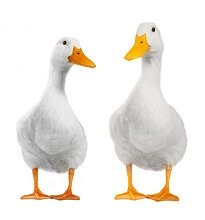
A loud quack echoes across the park pond as a line of fluffy yellow ducklings paddles right behind their mom. The moment they step onto the grass and waddle over on bright orange webbed feet, your kid probably wants to know everything about them.
Ducks look like simple, everyday pond birds, yet they hide some incredible secrets under their feathers. From flying as fast as a highway car to jumping out of tall trees as babies, these waterbirds are full of surprises.
11 Interesting & Fun Duck Facts for Kids They Will Love to Know about
Ducks are waterbirds related to geese and swans, and their bodies are built like little swimming machines. Their webbed feet act like flippers in the water (much like the unique platypus), and because their legs sit far back on their bodies, they do a funny side-to-side waddle whenever they walk on land.
Even though you can spot them at almost any neighborhood pond or lake, most people do not know how clever and tough ducks really are. Some ducks build nests high up in trees, and others cannot even make a quacking sound.
Now let us take a look at those fun duck facts!
1. Ducks Can Fly as Fast as a Car on the Highway
You usually see ducks floating calmly on a pond or waddling slowly across the grass. Because they look so relaxed on the water, it is easy to forget how speedy they are in the sky.
Ducks are powerful fliers, and flocks of migrating mallard ducks can zoom through the air at 55 miles per hour. To keep up that highway speed, a duck flaps its strong wings about 5 to 6 times every second (more than 300 flaps a minute!). While wild ducks rocket across the sky, birds of prey like the peregrine falcon can dive even faster.
Flying at 55 miles per hour means a duck in the sky can easily keep up with your family car driving down the highway!
2. Ducks Are the Smallest Waterfowl and Weigh as Much as a Pineapple
Ducks belong to a group of waterbirds called waterfowl, along with their bigger cousins, the geese and swans. Out of that whole swimming family, ducks are the smallest waterfowl of all.
A mallard is a fairly large wild duck, growing about 20 to 26 inches long (around 24 inches, or 61 centimeters, on average). Even with all its fluffy feathers, an adult mallard only weighs 2 to 3 pounds (1 to 1.5 kilograms).
That means a full-grown mallard duck is about as long as a kid’s skateboard and weighs about the same as one whole pineapple from the grocery store!
3. Many Ducks Tip Upside Down like Seesaws to Grab Underwater Snacks
When you watch ducks at a pond, you might see their heads vanish underwater while their tails stick straight up into the air. Ducks that feed this way are called dabbling ducks.
Instead of swimming deep to the bottom, dabbling ducks tip their bodies forward like a seesaw to reach food near the surface. The edges of their bills have tiny comb-like ridges that work like a kitchen colander, straining out muddy water while trapping water plants, seeds, snails, earthworms, and tiny insects.
Other kinds of ducks, called diving ducks, plunge all the way underwater like little submarines to catch fish or dig in the muddy bottom for clams and plant roots.
4. Baby Ducklings Leave the Nest in Under 16 Hours (and Some Jump 50 Feet Down!)
Many baby birds hatch with their eyes shut and stay in the nest for weeks while their parents bring them dinner. Baby ducks, called ducklings, do things much faster.
Newborn ducklings hatch with their eyes wide open and their bodies covered in soft down feathers. Within just 13 to 16 hours after hatching, they are ready to walk out of the nest and follow their mom to the water.
Baby wood ducks hatch inside tree holes and take an even bigger leap the morning after hatching. Using sharp little toe claws to climb up to the hole, the tiny ducklings jump from nests up to 50 feet high, as tall as a five-story building, and flutter down like fluffy parachutes without getting hurt!
5. Ducks Lose All Their Flying Feathers at Once and Cannot Fly for 3 to 4 Weeks
Feathers get worn out from flying and swimming all year long. To fix this problem, ducks go through a yearly feather change called molting right after the breeding season ends.
Instead of dropping one feather at a time like most birds, ducks shed all of their flight feathers at once. Because their wing feathers are missing, the ducks are completely flightless for 3 to 4 weeks while new ones grow in.
During those 3 to 4 weeks without flight, ducks grow dull, camouflaged body feathers called eclipse plumage. This sneaky outfit helps them hide quietly near pond plants until they can fly again.
6. Ducks Have a Secret Oil Gland That Keeps Their Feathers Dry
If you jump into a swimming pool wearing a winter jacket, your coat gets heavy and soaked in seconds. Ducks can float in cold water all day without getting soaked to the skin, staying warm just like penguins in chilly seas.
Near the base of its tail, a duck has a special preen gland that makes waterproof oil. The duck rubs its bill on that gland and spreads the oil over its outer feathers, just like you rub lotion onto your hands.
That oil helps the outer feathers zip tightly together so water forms little droplets and rolls right off. Underneath that waterproof shield, a layer of fluffy down feathers traps warm air against the duck’s tummy, keeping it warm and floating like a built-in life jacket!
7. Some Ducks Squeak like Rubber Toys and Talk with Head Bobs
Because not every duck makes a loud quack, different duck species have their own funny voices to chat with friends. Wood ducks do not sound like typical park ducks at all.
Both male and female wood ducks make high, toy-like squeaks when they call out. Their squeaky voices even earned them the funny nickname Squealer Duck.
Ducks also talk to each other without making a sound by using body language on the water. Mallards bob their heads up and down, shake their heads side to side, or nod back and forth to warn rivals or greet a mate.
8. Mother Ducks Pluck Their Own Chest Feathers to Make a Cozy Nest Blanket
Most ducks build their nests on the ground near ponds or marshes, while perching ducks like wood ducks and mandarin ducks nest inside trees. Wherever she builds, a mother duck works hard to make the bed soft.
A mother mallard shapes a round nest about 1 foot across, which is about the size of a large dinner plate. She pulls tall grass over the top to hide herself from hungry animals.
Once she begins sitting on her 8 to 13 eggs, she gently plucks soft down feathers from her own chest to line the nest bowl. This creates a bare spot on her belly called a brood patch that warms the eggs with her direct body heat, while the plucked down blanket keeps them cozy for 23 to 30 days until they hatch.
9. Thousands of Ducks Team Up in Giant Flocks to Fly South for Winter
When winter weather freezes northern ponds and lakes, it becomes hard for ducks to find underwater plants and bugs to eat. That cold weather is their signal to pack up and travel together.
Ducks gather in enormous flocks of thousands of birds to fly south to warmer bays, marshes, and coastlines. While a group of ducks on the water is called a flock or paddling, a group of mallards flying in the sky is called a sord.
Traveling together in a big group helps the ducks stay safe and follow traditional sky highways called flyways all the way to their warm winter homes.
10. Not All Ducks Actually Quack (Male Mallards Do Not Quack at All!)
Almost every storybook and cartoon teaches you that all ducks say “quack, quack!” In real life, that is one of the biggest myths about ducks.
That famous, loud quack is only made by the female mallard duck. You can spot the female by her speckled brown feathers, while the male mallard has a shiny green head and a yellow bill.
Male mallard ducks, called drakes, do not quack at all. Instead of a loud quack, a male mallard makes a much quieter, raspy sound.
11. Almost Every Farm and Pet Duck Comes from One Wild Duck Ancestor
Today there are over 120 species of ducks swimming in ponds, rivers, and oceans almost all over the world. People also raise white and spotted domestic ducks on farms and in backyards.
Even though farm ducks can look very different from wild pond ducks, scientists discovered that almost all domestic duck breeds come from one wild ancestor, the wild mallard (Anas platyrhynchos).
In fact, every single type of domestic duck on Earth comes from the wild mallard, except for one species called the Muscovy duck.
Frequently Asked Questions (FAQs)
What do ducks eat?
Ducks are omnivores that eat aquatic plants, seeds, grains, earthworms, snails, freshwater shrimp, insects, amphibians, and small fish.
What is a baby duck called?
A baby duck is called a duckling, while an adult male duck is called a drake and an adult female is called a hen.
Why do ducks waddle when they walk?
Ducks waddle because their webbed feet and legs are set far back on their bodies, which helps them paddle smoothly like boat propellers in water but makes walking on land clumsy.
How long do ducks live?
Mallard ducks usually live 5 to 10 years in the wild and 10 to 15 years in protected care, though the oldest known wild mallard reached at least 27 years and 7 months of age.
Where do ducks live?
Ducks live on almost every continent around the world (except Antarctica) in freshwater ponds, lakes, marshes, rivers, city parks, and coastal saltwater bays.
How many eggs does a duck lay?
A mother mallard duck usually lays 8 to 13 eggs in her nest and sits on them for 23 to 30 days before they hatch.
Next time you and your kid visit a neighborhood pond, watch closely to see if the ducks tip upside down like seesaws or bob their heads to chat. You can even listen to hear whether a brown female mallard is doing all the loud quacking!
That was it, folks! Hope you and your little one enjoyed these amazing facts about ducks.